Why Your Microblading Investment Deserves the Right Aftercare
The best microblading aftercare ointment can make the difference between brows that heal beautifully and results that disappoint. After investing time and money in achieving your perfect brows, the healing process is where the magic truly happens—or where things can go wrong.
Quick Answer: Top Microblading Aftercare Ointment Features
- Natural ingredients like vitamins A & D, shea butter, and hyaluronic acid
- Fragrance-free and alcohol-free formulas to prevent irritation
- Lightweight texture that doesn’t clog pores or suffocate healing skin
- Antimicrobial properties to protect against infection
- Easy application with minimal product needed (rice-grain size)
- Artist-recommended brands like Aquaphor, specialized PMU aftercare balms, or hypoallergenic healing ointments
Your microblading journey doesn’t end when you leave the studio. The first 7-14 days of healing are critical for pigment retention and achieving those natural-looking results you’ve been dreaming about.
Think of aftercare ointment as insurance for your brow investment. It creates a protective barrier against bacteria, keeps your skin hydrated without suffocating it, minimizes uncomfortable scabbing, and helps lock in that pigment so your strokes stay crisp and beautiful.
Most artists now recommend “wet healing”—applying a thin layer of specialized ointment to keep the area moisturized—rather than the old-school dry healing method. This approach leads to less scabbing, better pigment retention, and a more comfortable recovery overall.
But not all ointments are created equal. Some contain ingredients that can actually fade your pigment or irritate freshly microbladed skin. Others are too heavy and trap bacteria, leading to infection or poor healing.
Why Aftercare Ointment is Your Brow’s Best Friend
You’ve just left our studio in Murrieta, CA, with stunning new brows, and you’re probably feeling on top of the world! But the journey to truly perfect, long-lasting results has just begun. This is where the best microblading aftercare ointment steps in as your brow’s ultimate ally. It’s not just a suggestion; it’s an essential part of protecting your Microblading investment.
Why is it so crucial? Well, immediately after your microblading session, your skin has undergone a controlled trauma. Those tiny, hair-like strokes, while beautiful, are essentially superficial wounds. A specialized aftercare ointment acts as a shield and a healer, working tirelessly to ensure your brows not only recover beautifully but also retain their pigment and vibrancy for as long as possible.
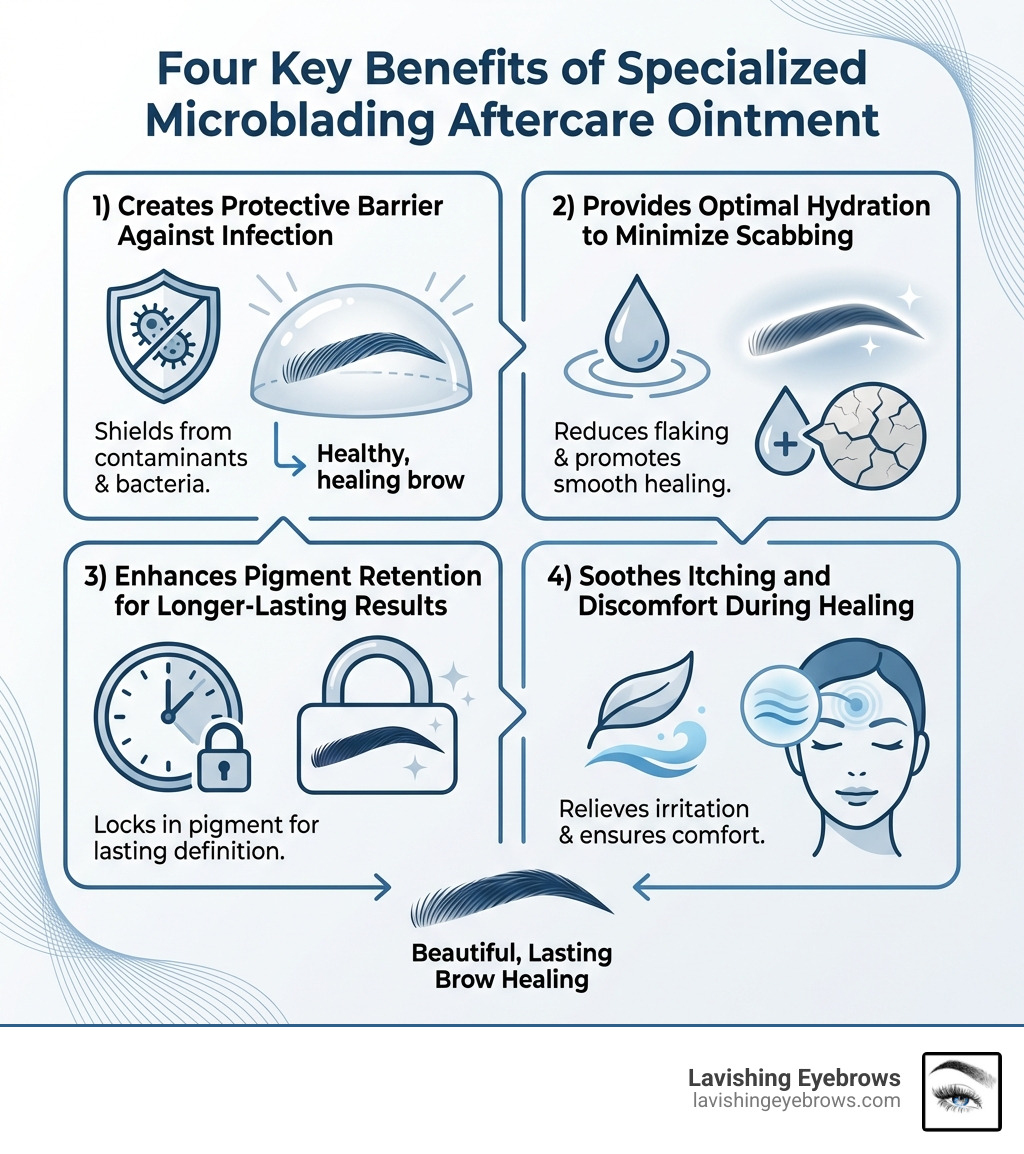
The key benefits of using the right microblading aftercare ointment are numerous:
- Pigment Longevity: The ointment helps to keep the skin hydrated and supple, which is vital for pigment retention. It prevents excessive scabbing, flaking, and peeling, which, in turn, helps the pigment settle better into your skin. This means your brows will look fantastic for longer, reducing the need for premature touch-ups.
- Infection Prevention: Freshly microbladed skin is vulnerable to external contaminants and irritants. Aftercare ointments create a protective barrier over the brow area, safeguarding it from bacteria and thus preventing infection. This ensures a clean healing environment.
- Minimizing Scabbing and Discomfort: A good microblading ointment provides hydration and nourishment, which helps to minimize the natural scabbing process. Less scabbing means less itching and discomfort, promoting a much more comfortable recovery. It also prevents you from picking at your brows (a big no-no!), which can lead to patchy results.
- Accelerated Skin Recovery: The ointment is designed to accelerate skin recovery after your microblading treatment. It soothes any initial pain or tenderness and aids in quicker, better healing.
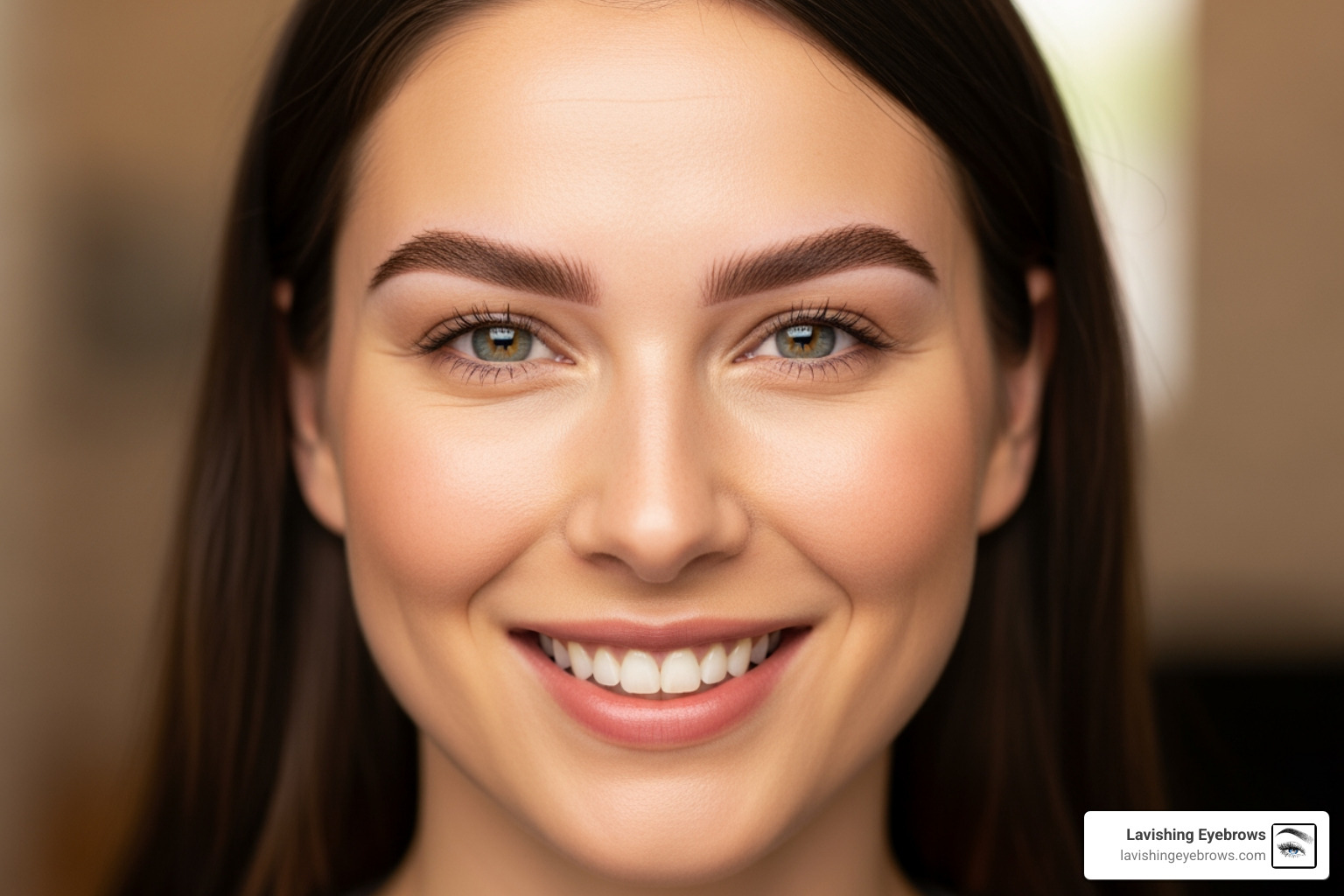
Without proper aftercare, including the dedicated use of a suitable ointment, you risk compromising all the artistry and effort that went into creating your new brows. We’re talking about potential Microblading Risks like infection, poor pigment retention, and even scarring. Trust us, a little consistent care now pays off in huge dividends for your brow future.
The Role of Ointment in the Microblading Healing Process
Let’s dive a little deeper into the science (and art!) behind how your aftercare ointment assists your brows. Our skin is an incredible organ, constantly working to repair itself. After microblading, we’re asking it to heal while also holding onto delicate pigment. This is where the best microblading aftercare ointment truly shines.
Firstly, it provides a crucial protective barrier. Think of it as a gentle, breathable shield over your freshly treated brows. This barrier safeguards the delicate area from environmental factors like dust, dirt, and other external contaminants that could lead to infection.
Secondly, and perhaps most importantly, it offers essential hydration and nourishment. The skin needs moisture to heal optimally. Dry, tight skin is more prone to deep, hard scabs, which can pull out pigment as they flake off. Ointments keep the skin supple, allowing for softer, thinner scabs that heal more evenly. This directly contributes to preventing excessive scabbing, flaking, and peeling, which are detrimental to pigment retention.
By maintaining proper moisture levels, the ointment significantly improves pigment retention and longevity. The pigment has a better chance to settle into the skin layers without being disrupted by premature or aggressive scabbing. It also helps to soothe any irritation or itchiness, making the entire Microblading Healing Process much more comfortable for you.
What Happens if You Skip Aftercare?
We understand that aftercare can sometimes feel like a chore, but skipping it is like buying a brand new car and then never changing the oil. The consequences can be severe and costly, potentially undoing all the beautiful work we’ve done.
The most serious risk, of course, is potential for Infection. When the skin barrier is compromised, it’s an open invitation for bacteria. An infection can not only be painful and require medical intervention but can also severely damage your new brows, leading to scarring and significant pigment loss.
Beyond infection, neglecting aftercare can lead to:
- Premature fading and poor pigment retention: Without the protective and hydrating benefits of ointment, your skin can scab more heavily, pulling out precious pigment as it sheds. This means your brows might look faded and patchy much sooner than expected.
- Increased scabbing and peeling: While some scabbing is normal, improper aftercare can lead to thick, uncomfortable scabs that are more prone to flaking off unevenly.
- Discomfort and itching: Dry, healing skin tends to be itchy. Without an ointment to soothe and moisturize, you’ll experience more discomfort, increasing the temptation to scratch, which can damage the healing skin and pigment.
- Potential for scarring: Aggressive scabbing, picking, or infection can all lead to scarring, which is a permanent and undesirable outcome.
- Compromised results: Skipping aftercare means your brows won’t heal to their full potential. They might look uneven, patchy, or simply not as vibrant and defined as they should be. This could mean more touch-up sessions or even dissatisfaction with your results.
In short, proper aftercare is non-negotiable for achieving the brow perfection you desire.
Decoding the Label: What to Look For (and Avoid) in an Ointment
Choosing the best microblading aftercare ointment can feel a bit like reading a foreign language when you’re staring at an ingredient list. But don’t worry, we’re here to help you decode it. Our goal is to select products that support healing, protect pigment, and are gentle on your freshly treated skin. This means understanding the difference between natural and synthetic ingredients, considering skin sensitivity, and ensuring the formula is pigment-safe.
The key is finding a product that provides hydration and forms a protective barrier without suffocating the skin or introducing irritants that could compromise your results.
Good Ingredients for Brow Healing
When you’re searching for the best microblading aftercare ointment, here are some superstar ingredients we love to see on the label:
- Vitamins A & D: These vitamins are renowned for their skin-healing properties. Vitamin A aids in cell regeneration, while Vitamin D supports skin health and barrier function. Many traditional healing ointments, like Vitamin A&D ointment, use these powerhouses.
- Natural Extracts: Look for extracts from plants known for their soothing and anti-inflammatory benefits. Ingredients like calendula or chamomile can help calm redness and irritation.
- Grapeseed Oil: This lightweight oil is fantastic because it moisturizes without clogging pores, allowing the skin to breathe. It’s rich in antioxidants and helps with skin regeneration.
- Jojoba Oil: Mimicking the skin’s natural sebum, jojoba oil is an excellent moisturizer that provides hydration without feeling greasy. It’s gentle and well-tolerated by most skin types.
- Shea Butter: A deeply nourishing emollient, shea butter is great for intense hydration. It helps create a protective barrier and keeps the skin soft and supple, preventing excessive dryness and flaking.
- Hyaluronic Acid: A hydration hero, hyaluronic acid attracts and holds moisture in the skin, promoting a healthy healing environment. It provides hydration without being heavy.
These ingredients work synergistically to soothe, hydrate, and protect your healing brows, ensuring optimal pigment retention and comfort. For more on skin-safe products, including ingredients often found in aftercare, you might find this helpful: More on skin-safe products.
Ingredients to Steer Clear Of
Just as important as knowing what to look for is knowing what to avoid. Some ingredients can actively hinder the healing process, fade your pigment, or cause irritation. Here’s our blacklist for microblading aftercare ointments:
- Petroleum Jelly (in excess): While often used in some tattoo aftercare, we advise caution. Traditional petroleum jelly (like pure Vaseline) can be too occlusive. In large amounts, it can prevent the wound from breathing, trap dirt, and potentially slow down the healing process. While a very thin layer might be okay for some, we generally consider it an outdated option for microblading.
- AHAs & BHAs (Alpha Hydroxy Acids & Beta Hydroxy Acids): These are chemical exfoliants designed to shed dead skin cells. While great for skincare, they are a huge no-no for healing microbladed brows as they can cause rapid pigment fading and irritation.
- Exfoliating Acids (e.g., Glycolic Acid, Salicylic Acid): Similar to AHAs and BHAs, these acids will strip away the pigment you just paid good money for! Keep them far away from your brows during the healing phase and even afterward.
- Retinol (Vitamin A derivatives): Retinol and retinoids are powerful cell turnover accelerators. They can cause significant pigment fading and irritation on healing skin. Avoid using them anywhere near your brows.
- Rosehip Oil: This oil is often praised for its regenerative properties. However, there’s a concern that it might have pigment-fading effects. While definitive proof is debated, we believe it’s best not to risk it with your precious new brows.
- Corticosteroids: While these can reduce inflammation, reaching for steroids for itching is far too extreme. It’s unnecessary exposure to synthetic hormones and can interfere with natural healing. Natural soothing ingredients are a much better choice.
- Artificial Fragrance: Fragrances are common irritants, especially on sensitive, healing skin. Always opt for fragrance-free formulas to minimize the risk of allergic reactions or discomfort.
- Alcohol: Alcohol-based products can be extremely drying and irritating, which is the opposite of what healing skin needs. They can also cause premature pigment fading.
Avoiding these ingredients will set your brows up for the best possible healing and longevity.
The Best Microblading Aftercare Ointment Options for Your Skin
Just like no two sets of eyebrows are exactly alike, neither are two skin types. The best microblading aftercare ointment for you might differ from what works best for your friend, and that’s perfectly normal! Your skin type—whether it’s sensitive, oily, or dry—plays a significant role in how your brows heal and what kind of product will support that process best.
That’s why at Lavishing Eyebrows, we provide personalized guidance. Vicky, our certified brow specialist, assesses your skin type and healing needs during your consultation and after your procedure. Her recommendations are custom to ensure your brows heal perfectly in Temecula, Menifee, Lake Elsinore, or Corona.
Your artist’s recommendation is gold. They know their technique and how it interacts with different skin types. For a deeper dive into personalized aftercare, check out our guide: After the Blade: Mastering Your Microblading Aftercare Routine.

For Sensitive Skin: Hypoallergenic & Soothing Balms
If you have sensitive skin, your priority is to minimize irritation and allergic reactions. The best microblading aftercare ointment for you will be:
- Fragrance-free formulas: As mentioned, artificial fragrances are common culprits for irritation.
- Natural ingredients: Look for products with a short, clean ingredient list featuring natural soothers like calendula or chamomile extracts. These can help reduce redness and calm inflammation.
- Minimalist formulas: Less is often more. Avoid products with a long list of synthetic ingredients that could potentially trigger a reaction.
- Patch testing: While not always feasible for microblading aftercare, if you’re particularly reactive, discussing a patch test with your artist beforehand might be an option for any new product.
These gentle balms and ointments aim to provide effective healing support while keeping your sensitive skin happy and calm.
For Oily Skin: Lightweight Gels & Minimal Application
Clients with oily skin often have a natural sebum production that provides some inherent moisture. For you, the best microblading aftercare ointment will be all about breathability and avoiding anything too heavy:
- Lightweight gels or very thin creams: Heavy, thick creams can suffocate oily skin, potentially leading to clogged pores or even hindering the healing process.
- Breathable formulas: Look for non-comedogenic products that won’t trap excess oil or bacteria.
- Minimal application: You might even be a candidate for a “modified dry healing” approach, where very little or no ointment is used, especially after the initial lymph fluid has been dabbed away. Your artist will advise on this. It’s worth noting that on oily skin, microblading strokes may spread more, so artists often use fewer strokes or space them out more.
The goal is to prevent clogged pores and allow your skin to breathe while still getting the benefits of protection. For more insights into aftercare for different brow services, including microshading which also considers skin type, read How to Care for Eyebrows After Microshading.
For Dry Skin: The best microblading aftercare ointment for Intense Hydration
If your skin tends to be dry, hydration is your absolute priority. Dry skin can lead to more pronounced flaking and tightness, potentially impacting pigment retention. The best microblading aftercare ointment for dry skin will feature:
- Rich emollients: Ingredients like shea butter are excellent for providing deep nourishment and softening the skin.
- Occlusive moisturizers: These create a physical barrier to prevent water loss, keeping your skin hydrated. While we caution against excessive petroleum jelly, certain petrolatum-based options, when used sparingly and as recommended by your artist, can be very effective for dry skin. For instance, Aquaphor is often praised by tattoo artists for its ability to treat dry and itchy skin.
- Hyaluronic acid: As a powerful humectant, it draws moisture into the skin, combating tightness and promoting a supple healing environment.
These deeply nourishing formulas will help prevent uncomfortable tightness, minimize flaking, and ensure your pigment settles beautifully into well-hydrated skin.
Your Aftercare Masterclass: Application and Timeline
Knowing which ointment to use is only half the battle; knowing how and when to use it is equally crucial. This is your aftercare masterclass, consistency is key! Following our precise Microblading Aftercare Instructions is paramount for optimal results.
How to Properly Apply Your Aftercare Ointment
Applying your aftercare ointment correctly is a delicate art. Here’s our step-by-step guide:
- Clean Hands First: Always, always start with thoroughly washed and clean hands. This prevents the transfer of bacteria to your healing brows.
- Gentle Cleansing (if instructed): If your artist has advised cleansing, gently wash your brow area with an unscented, antibacterial soap (like Cetaphil) that is free from active ingredients such as acids or retinol. Use clean fingertips to lightly cleanse for about 10 seconds.
- Pat Dry Completely: After cleansing (or if just applying ointment), gently pat your brows completely dry with a clean, lint-free cloth or tissue. It’s vital that your skin is totally dry before applying ointment; applying to wet or moist skin can trap moisture and create a breeding ground for bacteria.
- The “Less is More” Principle: This is perhaps the most important rule. You need only a rice-grain sized amount of ointment for both eyebrows combined. Seriously, that small!
- Use a Q-tip: To avoid cross-contamination and ensure precise application, we highly recommend using a clean Q-tip for each application. Dab the tiny amount of ointment onto the Q-tip.
- Thin, Even Layer: Gently spread the ointment over your microbladed brows in a very thin, even layer. Your brows should not look shiny or glossy; if they do, you’ve applied too much. A thick layer can suffocate the skin and hinder healing.
- Remove Residues: Before each reapplication, gently remove any residues from previous applications. This ensures your skin can breathe and absorb the fresh ointment effectively.
The best microblading aftercare ointment healing timeline
The microblading healing process is a journey, not a sprint. It typically takes about 4-6 weeks for the entire healing process, depending on your body’s regeneration and age. Your aftercare ointment plays a vital role throughout the initial 7-14 days.
- Day 1 (Immediate Post-Procedure): Your brows will be sensitive, possibly red or slightly swollen. Clear lymph fluid will likely form. Gently blot this fluid every 30 minutes with a clean tissue or cotton round to prevent heavy scabbing. Ointment application usually begins a few hours after the procedure, as instructed by your artist, usually 3-5 times a day.
- Days 2-7 (Darkening and Initial Healing): Your brows will appear significantly darker and bolder during this phase—don’t panic, this is normal! This is due to oxidation and the forming of superficial scabs. Continue applying your ointment 1-2 times a day, or as directed by your artist, after gentle cleansing. Ointment helps keep scabs soft and minimizes discomfort.
- Days 8-14 (Flaking and “Ghost Phase”): Around day 4, natural exfoliation begins, and by day 8-14, you’ll likely experience flaking, peeling, or light scabbing. Do not pick or scratch! The ointment helps keep the skin moisturized, reducing the urge to pick. As scabs come off, the pigment underneath might appear very light or even “disappear” – this is known as the “ghost phase” and is also normal. Continue ointment application as advised, usually tapering off by day 14.
- Weeks 3-6 (Color Bloom and Final Reveal): After the peeling subsides, the color will gradually resurface and settle. The final look of your eyebrows will be apparent approximately 30 days after the procedure. You might notice some areas are lighter than others; this is normal and why most clients need a touch-up after 6 weeks.
For a comprehensive look at what to expect, refer to our Eyebrow Tattoo Healing Time guide.
Frequently Asked Questions about Microblading Ointments
We get a lot of great questions from our clients in Murrieta, Temecula, Menifee, Lake Elsinore, and Corona. Here are some of the most common ones regarding microblading aftercare ointments:
Can I use regular moisturizers or petroleum jelly for microblading aftercare?
While tempting, we strongly advise against using regular moisturizers or excessive petroleum jelly. Specialized products are necessary for a reason!
- Regular moisturizers: Many contain ingredients like artificial fragrances, dyes, or active ingredients (AHAs, BHAs, retinoids) that can irritate freshly treated skin, cause allergic reactions, or even fade your pigment. Your everyday face cream is not formulated for wound healing. For choosing gentle cleansers, remember to look for fragrance-free options: More on choosing cleansers.
- Petroleum jelly: While it can create a barrier, pure petroleum jelly is very occlusive. If applied too thickly, it can prevent the wound from breathing, trap bacteria, and slow down the natural healing process. We consider it an outdated option for microblading aftercare. It’s best to stick to products specifically designed for permanent makeup healing.
What’s the difference between wet healing and dry healing?
These are two primary approaches to microblading aftercare:
- Dry Healing: Traditionally, this method involved no aftercare ointment. The idea was to let a scab form naturally and fall off without interference. While it can work for some, it often leads to thicker, harder scabs, more intense itching, and a higher risk of pigment loss if scabs are accidentally picked.
- Wet Healing: This approach, which is now widely recommended by most artists, involves applying a thin layer of specialized aftercare ointment to keep the wound moist. Wet healing is generally more comfortable for clients as it keeps the wound moisturized, reduces scabbing, minimizes itchiness, and helps prevent results from healing patchy. It promotes softer, thinner scabs that are less likely to pull out pigment.
Most artists, including us at Lavishing Eyebrows, now recommend a modified wet healing approach. This balances the benefits of moisture with the need for the skin to breathe, leading to superior results and a more pleasant healing experience.
Where can I purchase recommended microblading aftercare ointments?
The easiest and most recommended way to get the best microblading aftercare ointment is directly from your artist! We often provide or recommend specific products custom to our techniques and the needs of our clients. This ensures you’re getting a high-quality, pigment-safe product that we trust.
Beyond your artist, you can find recommended aftercare ointments at:
- Professional beauty supply stores: These stores cater to licensed professionals and often carry specialized PMU (Permanent Makeup) aftercare brands.
- Online retailers: Many reputable online platforms offer a wide range of microblading aftercare ointments. You can explore options here: Shop for microblading ointment options. When shopping online, always check reviews and ingredient lists carefully.
Conclusion: Nurture Your Brows for Lasting Beauty
Your microblading journey is an investment in confidence and convenience, and the aftercare phase is where that investment truly pays off. Choosing the best microblading aftercare ointment and committing to proper application isn’t just about healing; it’s about nurturing your brows for lasting beauty and vibrant pigment retention.
Aftercare is non-negotiable. Choose your ointment wisely by understanding its ingredients, apply it properly with the “less is more” philosophy, and stick to the healing timeline. Trust your artist’s advice—we’ve seen countless brows heal, and our recommendations are rooted in experience and a deep understanding of the process.
At Lavishing Eyebrows, every client receives personalized aftercare guidance to ensure their brow investment heals perfectly. We’re dedicated to helping you achieve the natural-looking, flawless brows you deserve. For a complete guide to caring for your new brows, read our detailed Microblading Aftercare Instructions.