What’s Really Causing Your Thinning Eyebrows?
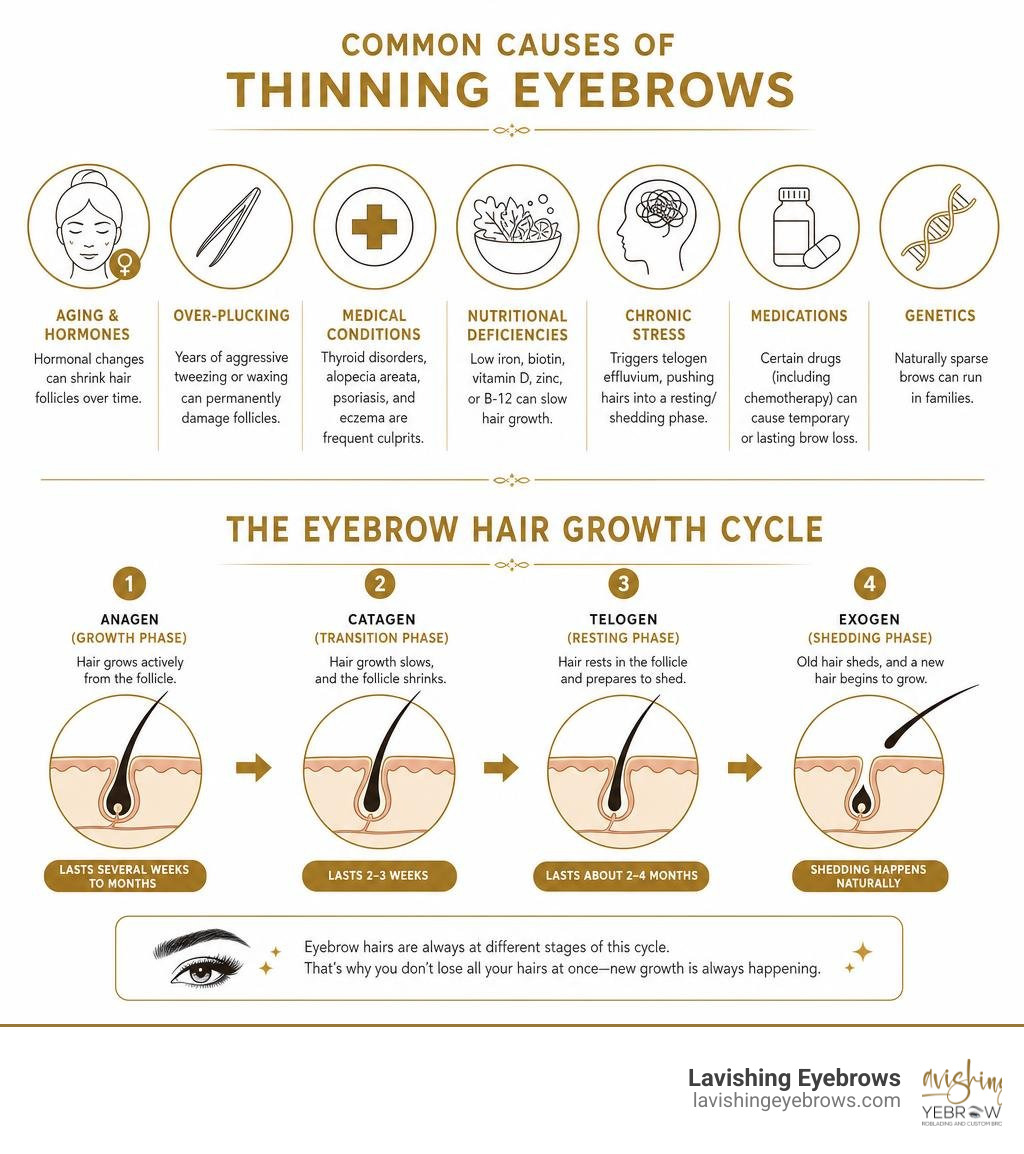
Thinning eyebrows are most commonly caused by one or more of the following:
- Aging and hormones — estrogen and testosterone decline starting in your 40s, shrinking hair follicles
- Over-plucking — years of aggressive tweezing or waxing can permanently damage follicles
- Medical conditions — thyroid disorders, alopecia areata, psoriasis, and eczema are frequent culprits
- Nutritional deficiencies — low iron, biotin, vitamin D, zinc, or B-12 can slow hair growth
- Chronic stress — triggers telogen effluvium, pushing hairs into a resting/shedding phase
- Medications — certain drugs (including chemotherapy) can cause temporary or lasting brow loss
- Genetics — naturally sparse brows can run in families
If your brows have been getting thinner and you’re not sure why, you’re far from alone. It’s one of the most common concerns we hear from women — especially those who over-plucked in the ’90s and 2000s when ultra-thin brows were the trend, or who started noticing gradual changes after turning 40.
Here’s the thing: thinning brows aren’t always just a cosmetic issue. In some cases, they signal something happening inside your body — a hormonal shift, a nutrient gap, or an autoimmune condition. The clinical term for eyebrow and eyelash hair loss is madarosis, and it’s a symptom, not a diagnosis. That means finding the right fix starts with understanding the right cause.
This guide walks you through every major cause of eyebrow thinning — from aging and medical conditions to lifestyle habits — so you can figure out what’s actually going on and what to do next.
Common Medical and Lifestyle Causes of Thinning Eyebrows
When we notice our eyebrows looking a bit more sparse, our first instinct is often to reach for a brow pencil. However, our hair follicles are highly sensitive to changes in our internal health and external environment.
One of the most frequent medical triggers for thinning eyebrows is a thyroid disorder. Your thyroid gland regulates your metabolism and controls the production of essential hormones that dictate hair growth. When your thyroid is underactive (hypothyroidism), a classic symptom is the thinning of the outer third of your eyebrows. Conversely, an overactive thyroid (hyperthyroidism) can lead to more widespread, diffuse thinning across the entire brow line.
Another major culprit is a temporary hair shedding condition called telogen effluvium. This occurs when a major physical or emotional shock pushes a large percentage of your hair follicles prematurely into their resting (telogen) phase. While most commonly associated with scalp hair loss, telogen effluvium can absolutely cause your eyebrow hairs to shed rapidly.
Chronic stress is a powerful driver of this process. When your body is under constant stress, it remains in a “fight or flight” state. Your nervous system prioritizes vital organs and redirects resources away from non-essential functions like hair growth. To get a deeper medical perspective on how these biological shifts impact your hair, you can explore the U.S. Dermatology Partners Guide on Eyebrow Loss.
How Aging and Hormones Trigger Thinning Eyebrows
As we head into our 40s, 50s, and 60s, our bodies undergo significant hormonal transitions. For women, the natural decline in estrogen during perimenopause and menopause has a direct impact on hair density. For men, a gradual decline in testosterone and hormone sensitivity plays a similar role.
These hormonal shifts lead to hair follicle miniaturization. Over time, the hair follicles in your eyebrows shrink, producing finer, lighter, and shorter hairs until they eventually stop producing hair altogether. Additionally, the active growth (anagen) phase of the eyebrow hair cycle—which is already quite short at just 2 to 3 months—becomes even shorter.
The result? Brows that once looked thick and robust start to look patchy, light, and virtually invisible. If you are experiencing this, you can read our specialized resources on Nano Brows and Beyond: How to Fix Age-Related Thinning and check out our guide on Ageless Arches: The Best Treatments for Thinning Eyebrows Over 60 to learn how modern cosmetic techniques can beautifully replicate youthful density.
Autoimmune and Skin Conditions
Sometimes, thinning eyebrows are caused by localized skin inflammation or systemic immune responses that target the hair follicles.
- Alopecia Areata: This is an autoimmune condition where your body’s immune system mistakenly attacks its own hair follicles. It typically presents as smooth, round patches of hair loss on the scalp or brows. In severe cases, like alopecia universalis, it can lead to the complete loss of all body hair.
- Frontal Fibrosing Alopecia (FFA): A form of scarring alopecia that primarily affects postmenopausal women, causing a receding hairline and progressive, often permanent, loss of the eyebrows.
- Eczema (Atopic Dermatitis) & Psoriasis: These inflammatory skin conditions cause intense itching, redness, and scaling. Psoriasis causes skin cells to multiply too rapidly, which can physically block and damage the follicles. Eczema flare-ups invite constant scratching and rubbing, which physically pulls the delicate brow hairs out.
- Seborrheic Dermatitis: Often presenting as flaky, greasy scales around the brow area, this condition irritates the skin barrier and can disrupt the natural growth cycle of your hair.
For a comprehensive overview of how these dermatological issues present, you can refer to Healthline’s Sparse Eyebrows Overview.
Over-Plucking and Physical Trauma
If you lived through the thin-brow trends of the late 1990s or early 2000s, you might be dealing with the physical consequences of the tweezers. Repeatedly pulling hair out by the root through aggressive plucking, tweezing, or waxing causes mechanical trauma to the hair follicle.
Over time, this repeated trauma can lead to follicle scarring. Once a hair follicle is scarred, it loses its ability to grow new hair, leading to permanent thinning.
To prevent further self-induced damage, we highly recommend adopting a hands-off approach and implementing healthy grooming habits. Instead of guessing where to pluck, professional brow mapping can help you visualize your ideal shape without removing valuable hairs.
Healthy Grooming Habits for Sparse Brows
- Put down the tweezers: Allow your brows to grow undisturbed for at least 6 to 12 weeks to see their true growth potential.
- Trim, don’t pluck: If a hair is too long, use tiny, precision beauty scissors to trim the tip rather than pulling the entire hair out from the root.
- Avoid aggressive waxing: Waxing pulls on the delicate skin surrounding the eye and can damage multiple follicles at once. Opt for gentle threading or precision tweezing by a professional.
- Brush with care: Use a soft spoolie brush and brush upward gently. Avoid rough rubbing when washing your face or applying skincare.
Nutritional Deficiencies and Hair Loss
What you put on your plate has a direct effect on what grows on your face. Because hair follicles are made of highly active cells with a demanding metabolic rate, even minor nutritional deficiencies can stall the hair production process.
- Iron Deficiency (Anemia): Iron is critical for producing hemoglobin, which carries oxygen to your body’s cells—including your hair follicles. Without enough oxygen, your follicles go dormant.
- Vitamin D: This vitamin plays a vital role in stimulating new and old hair follicles. A deficiency can arrest the hair cycle in its tracks.
- Zinc: Zinc supports hair tissue growth and repair, and helps keep the oil glands around the follicles working properly.
- Biotin (Vitamin B-7) & Vitamin B-12: Biotin is essential for the production of keratin, the primary protein that makes up hair. B-12 is crucial for red blood cell production and cellular metabolism.
- Omega-3 Fatty Acids: These essential fats lubricate the hair follicles, reducing inflammation and preventing dry, brittle hair that breaks easily.
Making targeted dietary adjustments can help correct these gaps. Focus on incorporating iron-rich foods (like spinach and lean meats), wild-caught fish for omega-3s, and eggs for biotin. If you suspect a deeper deficiency, consult a physician about getting blood work done before starting high-dose supplements.
Medical vs. Cosmetic Solutions for Brow Regrowth
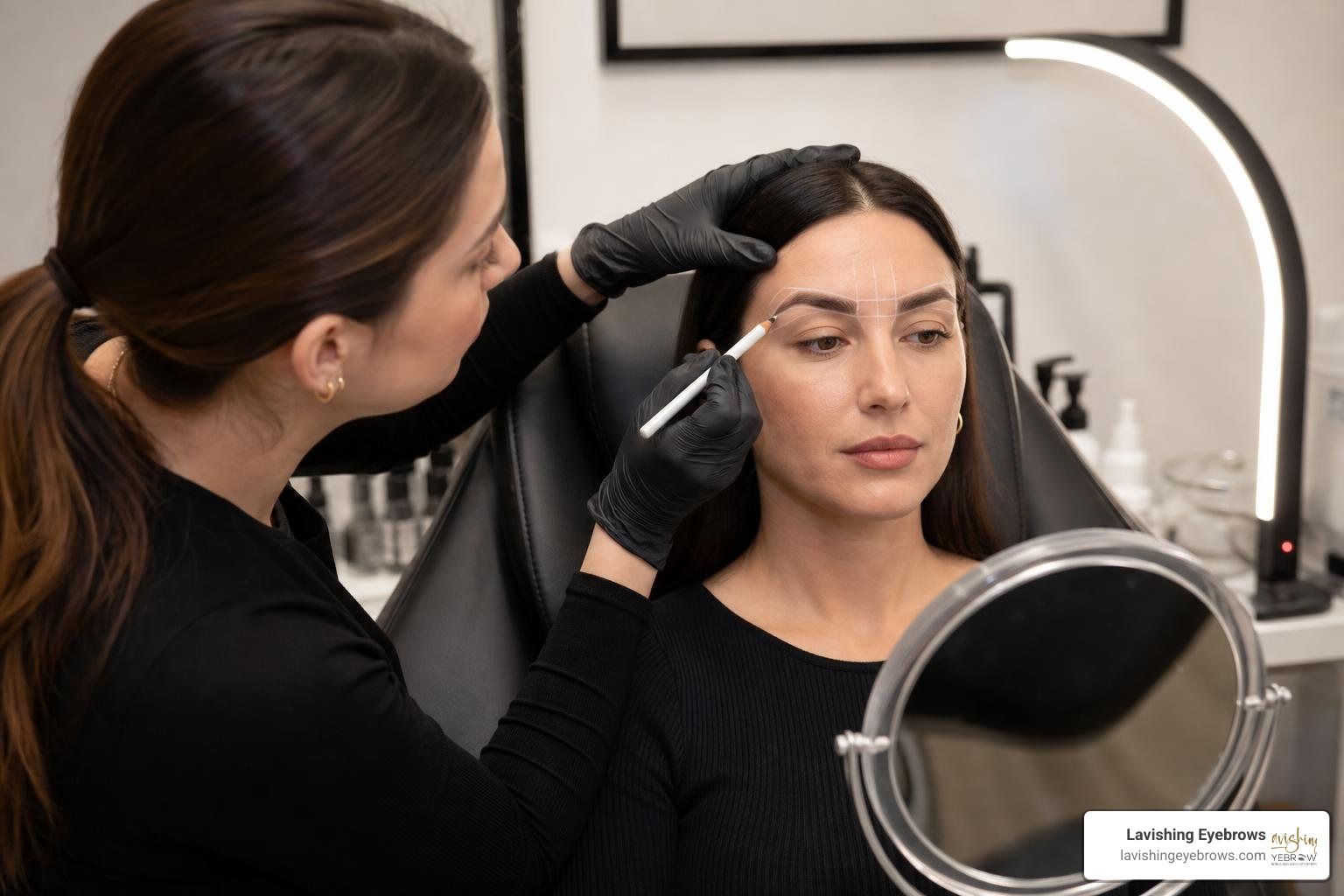
When addressing thinning eyebrows, you have two main pathways: medical treatments designed to stimulate biological regrowth, and cosmetic solutions designed to replicate the appearance of fuller brows.
To help you decide which path is right for you, here is a quick comparison of the most popular options:
| Treatment / Procedure | How It Works | Best For | Duration / Longevity |
|---|---|---|---|
| Bimatoprost (Latisse) | Extends the active growth (anagen) phase of the hair | Mild to moderate thinning with active follicles | Temporary (requires continuous daily use) |
| Minoxidil (Rogaine) | Increases blood flow to follicles, converting fine hairs to thicker ones | General hair thinning and age-related loss | Temporary (reverts when stopped) |
| Microblading | Semi-permanent tattooing using manual micro-strokes | Normal to dry skin types looking for hair-like lines | 12 to 18 months |
| Nano Brows | Precise, machine-delivered pigment strokes | All skin types (especially oily or mature skin) | 1 to 2 years |
| Powder / Ombre Brows | Soft, pixelated shading mimicking brow powder | Sparse brows wanting a soft makeup look | 1 to 3 years |
| Brow Lamination | Chemically relaxes and redirects existing hairs upward | Brows with long, wild, or flat-growing hairs | 4 to 6 weeks |
| Henna Brows | Natural dye that stains the skin and colors existing hair | Temporary definition and filling in minor gaps | Up to 5 weeks on hair, 2-10 days on skin |
Topical and Prescription Treatments
For those looking to medically stimulate hair growth, several topical treatments are popular. Bimatoprost (the active ingredient in prescription Latisse) is FDA-approved for eyelashes but is frequently used off-label by dermatologists to treat sparse eyebrows. It works by extending the anagen (growth) phase of the hair cycle, allowing the brow hairs to grow longer, thicker, and darker.
Over-the-counter minoxidil (Rogaine) is another widely used option. When applied carefully with a cotton swab, a 2% minoxidil solution can stimulate blood flow to the hair follicles, helping to convert fine, translucent vellus hairs into thicker terminal hairs.
For autoimmune cases like alopecia areata, dermatologists may recommend localized corticosteroid injections to calm immune-related inflammation and allow the follicles to recover. To read more about how dermatologists approach these treatments, check out the Women’s Health Expert Brow Guide.
Semi-Permanent and Permanent Cosmetic Solutions
If your hair follicles have been permanently damaged by years of over-plucking, scarring, or advanced age, medical treatments may not yield the results you want. This is where advanced cosmetic procedures shine.
Microblading uses a manual hand tool to deposit pigment into the upper layers of the skin, creating incredibly realistic, hair-like strokes. However, because it relies on a manual blade, it is best suited for normal to dry skin.
For those with oily, sensitive, or mature skin, nano brows are the gold standard. Utilizing a single ultra-fine machine needle, nano brows create the same beautiful hair-like strokes with less skin trauma and better pigment retention. If you prefer a soft, filled-in makeup look, powder brows (or ombre brows) use a shading technique to create a beautifully diffused, gradient effect.
These permanent makeup techniques have revolutionized beauty routines, especially for mature women. You can learn more by reading Why Women Over 60 Are Ditching the Pencil for Permanent Brows and exploring our detailed Microblading Guide Women Over 60.
Frequently Asked Questions About Sparse Brows
Navigating eyebrow loss can feel overwhelming. Here are answers to some of the most common questions we receive from clients looking to restore their brow shape.
Can thinning eyebrows grow back on their own?
Whether your eyebrows will grow back naturally depends entirely on the root cause of the thinning. If your hair loss was triggered by temporary factors—such as acute stress, a temporary nutrient deficiency, pregnancy, or a controlled thyroid issue—your brows will typically begin to recover once the underlying trigger is resolved.
However, the recovery timeline is a slow process. Because the eyebrow growth cycle takes several months, you may not see noticeable improvement for 3 to 6 months. If the hair follicles have been inactive for years due to aggressive over-plucking, physical scarring, or genetic factors, they may be permanently dormant and unable to grow back without cosmetic intervention.
When to Consult a Dermatologist for Brow Loss
While gradual thinning is a normal part of the aging process, certain warning signs warrant a visit to a medical professional. You should schedule a consultation with a board-certified dermatologist if you experience:
- Rapid, sudden, or patchy hair loss
- Redness, severe itching, burning, or pain around the brow area
- Visible skin scaling, flaking, or sores under your eyebrow hair
- Hair loss accompanied by systemic symptoms like unexplained weight changes, chronic fatigue, or temperature sensitivity (which often point to a thyroid issue)
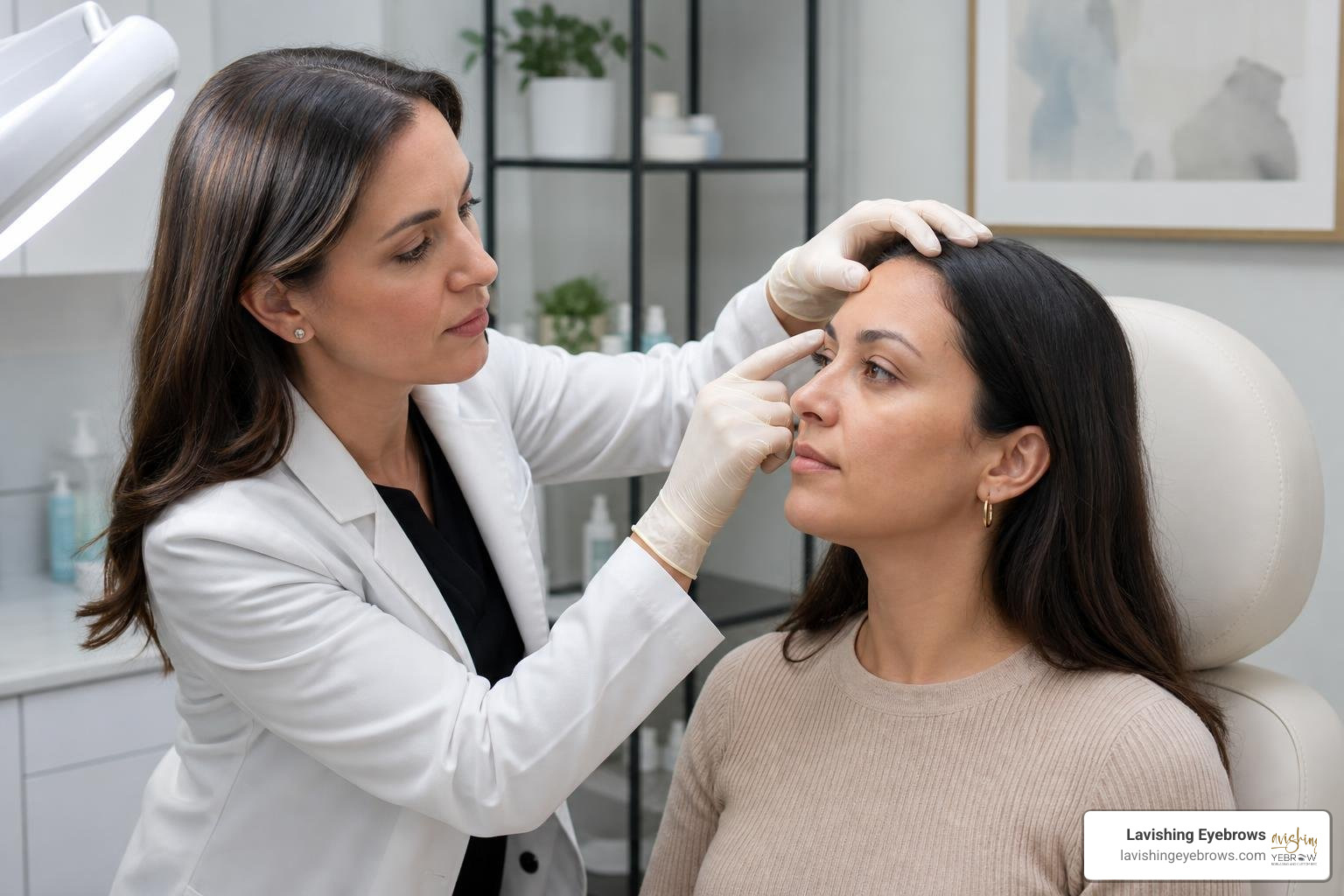
A dermatologist can perform a physical assessment, run a comprehensive thyroid panel or blood test, and help you address the root medical issue safely.
What is the clinical term for eyebrow hair loss?
The clinical term for the thinning or complete loss of the eyebrows (and eyelashes) is madarosis. Madarosis can present as symmetrical loss (occurring equally on both sides of your face) or asymmetrical loss (affecting only one brow). It is often accompanied by changes in hair texture, increased brittleness, or localized skin changes.
Recognizing madarosis early is key to preventing permanent follicle damage, as starting medical or lifestyle treatments early gives your hair follicles the best chance at recovery.
Conclusion
Understanding the causes of thinning eyebrows is the first step toward reclaiming your facial symmetry and self-confidence. Whether your sparse brows are the result of hormone changes, genetics, or a few too many encounters with the tweezers in your youth, you don’t have to settle for drawing them on every single morning.
At Lavishing Eyebrows, located in beautiful Murrieta, CA, we specialize in custom brow restoration for clients throughout Southwest Riverside County—including Temecula, Menifee, Lake Elsinore, and Corona. Our owner, Vicky, is a highly certified brow artist trained by the prestigious World Microblading Academy, PHI Brow Academy, and Mystique Brow Academy.
Vicky’s perfectionist artistry and warm, detailed consultation process are designed to make even the most nervous clients feel completely at ease. Using only premium, US-sourced products, she treats every set of brows as a unique piece of artwork, delivering natural-looking results that beautifully restore your features.
Ready to put down the brow pencil for good? Explore our comprehensive guide on The Best Treatments for Thinning Eyebrows and book your personalized consultation with us today!