Why Eyebrow Hair Loss Happens
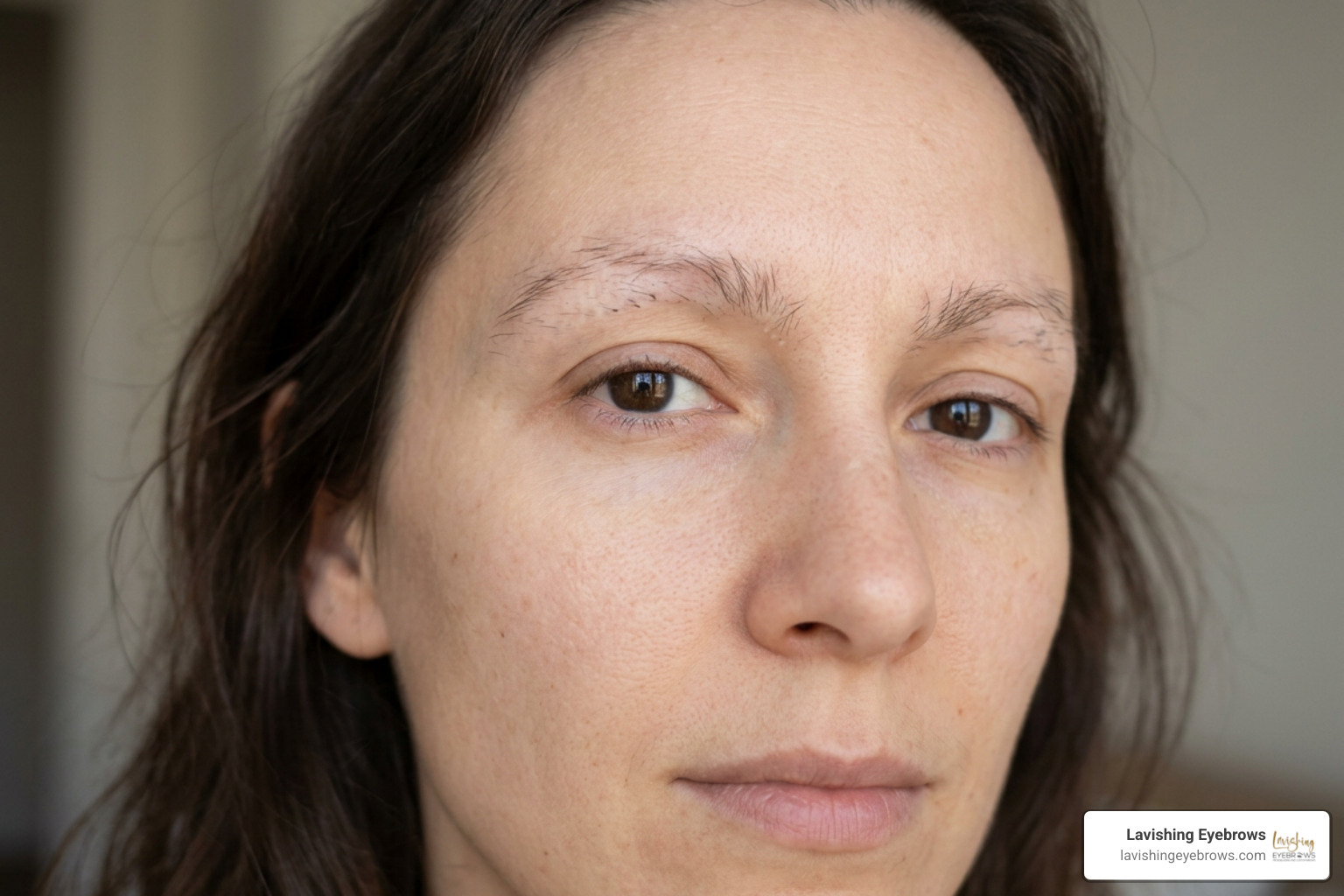
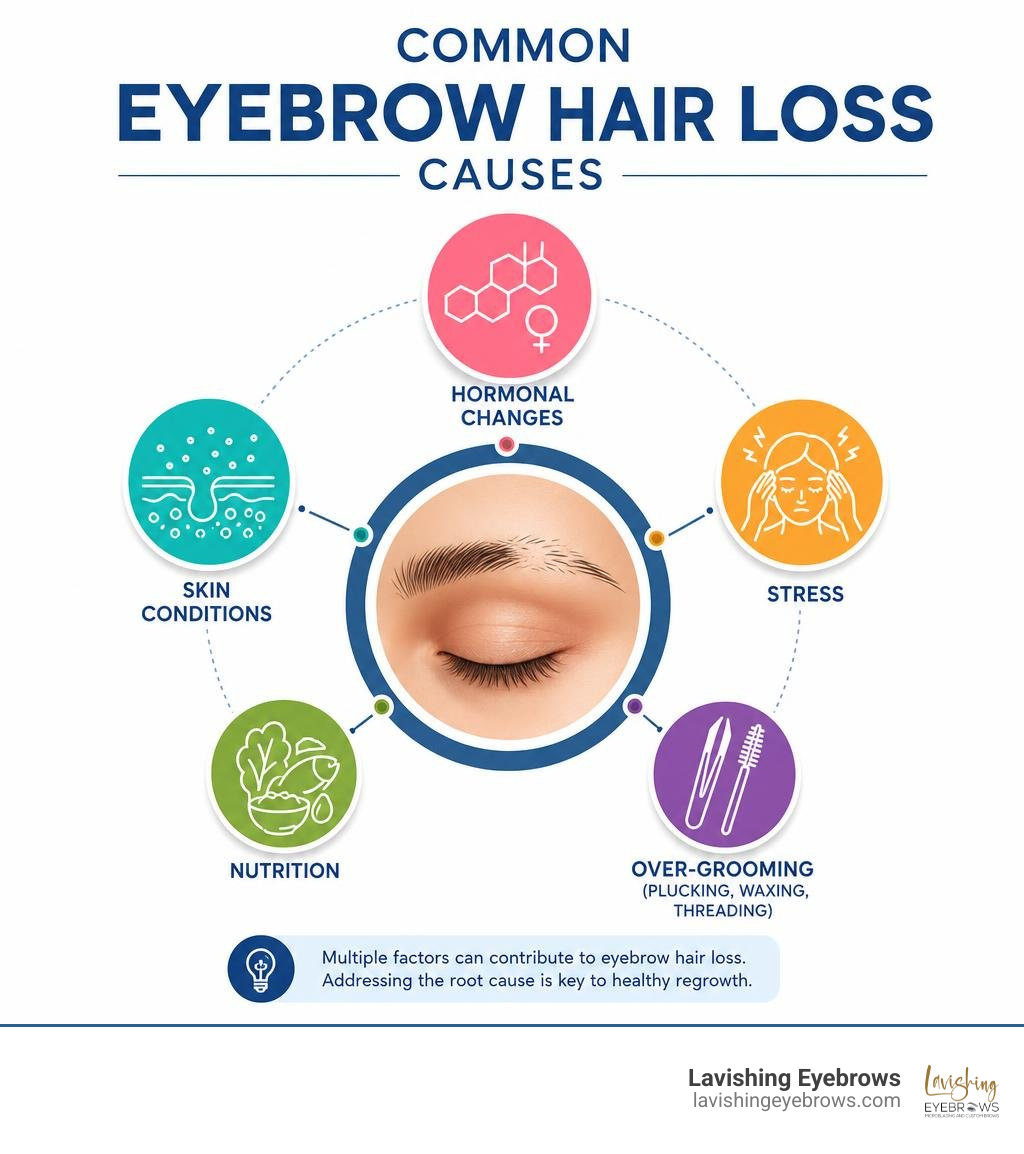
Eyebrow hair loss causes range from everyday habits, such as years of over-plucking, to skin inflammation, hormone shifts, nutrient deficiencies, stress, and medical conditions.
In medical terms, partial or complete loss of eyebrow or eyelash hair is called madarosis. A few shed hairs are normal. But noticeable thinning, bald patches, or brows that stop growing back deserve a closer look.
Common causes include:
- Over-plucking, waxing, or threading, which can damage follicles over time
- Aging and hormonal changes, including pregnancy, menopause, and thyroid disorders
- Autoimmune conditions, such as alopecia areata or frontal fibrosing alopecia
- Skin conditions, including eczema, psoriasis, and seborrheic dermatitis
- Low iron, vitamin D, zinc, or protein intake
- Stress, illness, medication, or chemotherapy, which can trigger shedding
- Scarring or injury, which may permanently damage hair follicles
Your brows do more than frame your face. They help keep sweat and debris out of your eyes, and they play a major role in expression. That is why even subtle thinning can feel surprisingly noticeable.
The key question is whether the follicles are still healthy. Some eyebrow loss is temporary and may grow back once the trigger is addressed. Other forms involve scarring, where early medical care matters most.
Primary Medical and Autoimmune Eyebrow Hair Loss Causes
When eyebrows thin out, we often blameless beauty tools first. However, medical factors frequently play a stealthy role. While brow loss specifically localized to the eyebrows is clinically known as superciliary madarosis (as opposed to eyelash loss, or ciliary madarosis), it is rarely just an isolated skin issue. More often, it serves as an early warning flare from your systemic health.
Your eyebrow follicles are embedded in exceptionally delicate facial tissue. Because these follicles have a much shorter active growth cycle (anagen phase) of only 2 to 3 months—compared to the 2 to 8 years your scalp hair enjoys—any shift in your body’s internal chemistry can interrupt growth almost immediately.
Understanding the underlying madarosis causes and treatment options is the first step toward figuring out why your arches are suddenly thinning.
Autoimmune Diseases and Chronic Eyebrow Hair Loss Causes
Among the most complex eyebrow hair loss causes are autoimmune disorders, where your immune system mistakenly identifies healthy hair follicles as foreign invaders and attacks them.
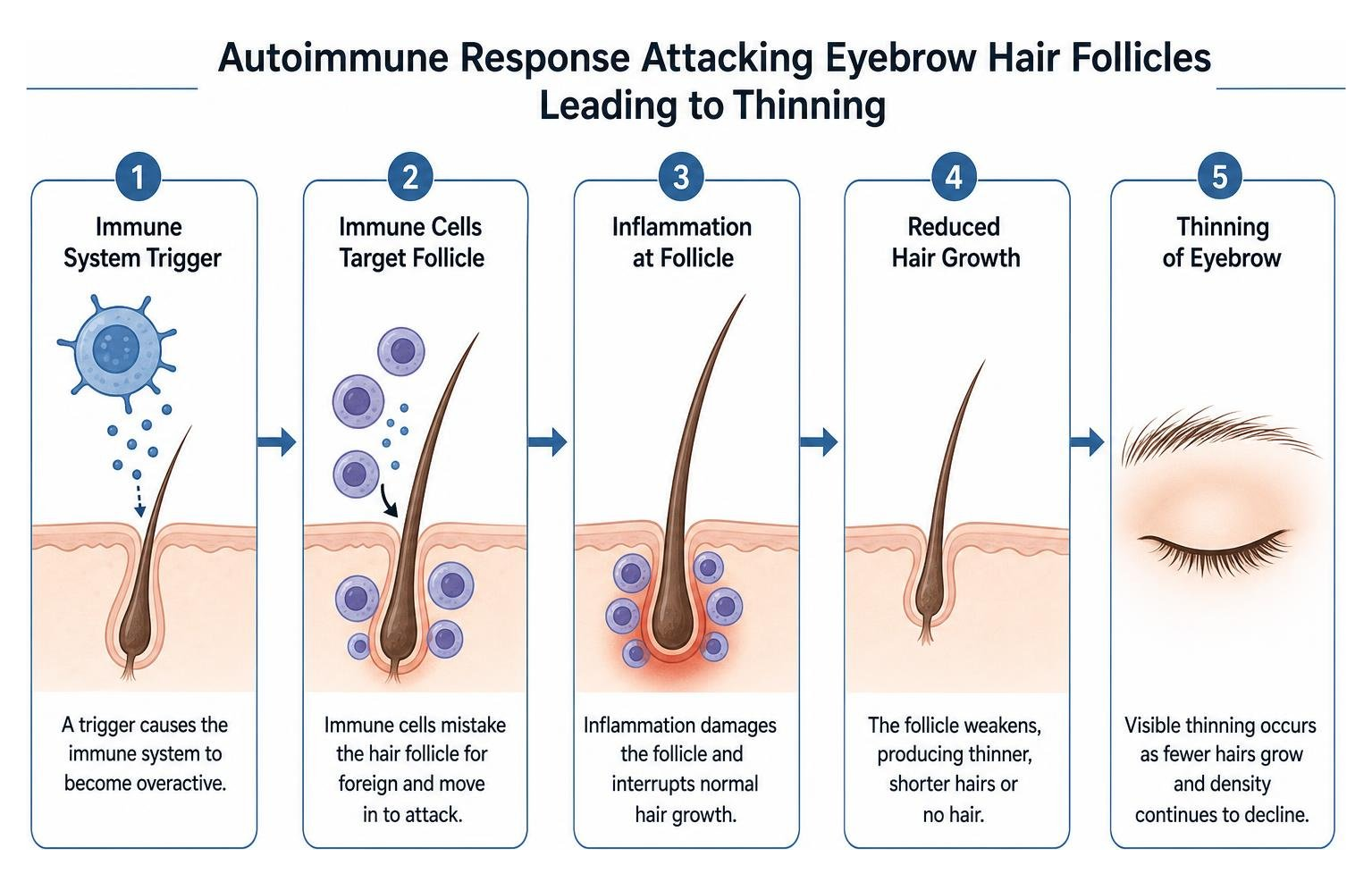
- Alopecia Areata (AA): This non-scarring condition causes immune cells to cluster around the hair bulb, shutting down growth and causing hair to fall out in smooth, round patches. It can strike just one eyebrow or both simultaneously. In clinical research on the impact and management of eyebrow and eyelash loss, roughly 44.3% of patients experiencing madarosis secondary to alopecia areata also developed associated ophthalmological issues, such as dry eyes or eyelid inflammation, because lost brows no longer shield the eyes effectively.
- Frontal Fibrosing Alopecia (FFA): FFA is a primary lymphocytic cicatricial (scarring) alopecia that predominantly affects postmenopausal women. eyebrow loss is observed in a staggering 75% to 94% of patients with frontal fibrosing alopecia—and in roughly 43.7% of cases, eyebrow thinning actually happens before any hairline recession on the scalp is noticed.
- Discoid Lupus Erythematosus (DLE): Lupus causes chronic skin inflammation that can lead to scarring lesions across the face, permanently destroying brow follicles if left untreated.
Thyroid Dysfunction and Hormonal Shifts
If your brows are thinning specifically at the tail ends, your endocrine system might be trying to tell you something. Both hypothyroidism (underactive thyroid) and hyperthyroidism (overactive thyroid) interrupt normal follicle cycles.
A classic clinical marker of thyroid imbalance is Hertoghe’s sign (also referred to as Queen Anne’s sign), which presents as distinct thinning or complete hair loss across the outer third of the eyebrows. When thyroid hormone levels drop, the overall metabolism slows down, causing hair follicles to enter their resting phase prematurely and stay there longer.
Hormonal shifts throughout life also play a major role:
- Perimenopause and Menopause: Declining estrogen and progesterone levels alter the ratio of circulating androgens, causing follicle miniaturization. If you’ve wondered why your brows are ghosting you during perimenopause, natural hormonal drops are often the primary culprit.
- Pregnancy and Postpartum: Rapid hormonal surges during pregnancy keep hair in a prolonged growth phase, but the sudden crash in estrogen after childbirth can trigger noticeable shedding 2 to 4 months later.
Dermatological, Nutritional, and Lifestyle Triggers
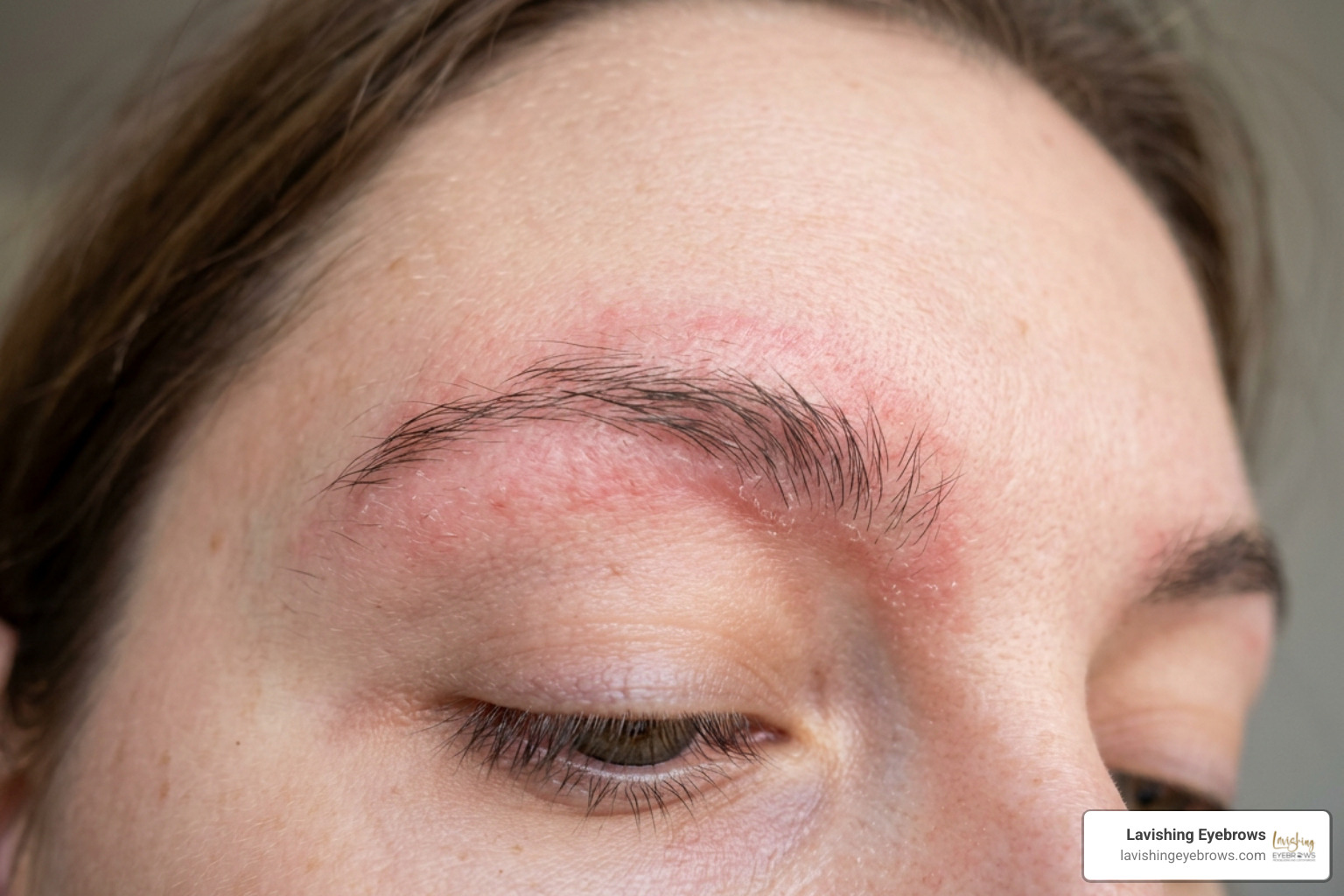
Beyond systemic conditions, localized skin irritation and everyday habits frequently contribute to sparse brows. Because the skin beneath our eyebrows is thin and sensitive, environmental stress and surface inflammation can disrupt follicle health rapidly.
Inflammatory Skin Conditions and Nutrient Gaps
Active dermatological conditions around the eye area create physical barriers and cellular stress that interrupt normal growth:
- Eczema (Atopic Dermatitis): Intense itching leads to chronic rubbing and scratching, physically dislodging delicate brow hairs.
- Psoriasis: Rapid skin cell turnover causes thick, silvery scales to build up. These scaly plaques can physically suffocate hair follicles and impede growth. In fact, localized brow loss can sometimes serve as an early sign of psoriasis.
- Seborrheic Dermatitis: Excessive sebum production paired with overgrowth of Malassezia yeast leads to greasy, red, inflamed patches that weaken root anchors.
Simultaneously, your hair follicles rely on a steady supply of micronutrients. Hair follicles are among the most metabolically active structures in the body, meaning nutritional gaps quickly show up in hair density:
- Iron Deficiency (Ferritin): Low ferritin levels impair hemoglobin production, starving follicles of necessary oxygen.
- Vitamin D: Essential for creating new hair follicles and awakening dormant ones.
- Zinc: Crucial for hair tissue repair and regulating the oil glands surrounding follicles.
- Protein and Essential Fatty Acids: Lack of building blocks weakens the structural keratin shaft, leading to premature breakage.
A thorough clinical review of eyebrow alopecia highlights how resolving these underlying skin and dietary factors can dramatically improve follicle retention.
Over-Grooming, Aging, and Stress as Eyebrow Hair Loss Causes
Sometimes, our quest for beautiful brows accidentally causes their demise.
- Mechanical Trauma from Over-Grooming: Plucking, waxing, or threading pulls hair out by the root. Doing this repeatedly over years can cause cumulative trauma, eventually building micro-scar tissue that shuts the follicle down permanently. If you are recovering from past beauty trends, reading about how microblading saved overplucked 90s brows offers a relatable look at restoring lost arch shape.
- Telogen Effluvium (Stress-Induced Shedding): High physical or emotional stress, major surgery, severe illness, or rapid weight loss can shock up to 70% of hair follicles into a sudden resting state, causing diffuse shedding 2 to 3 months later.
- Natural Chronological Aging: As we age, hair growth cycles naturally slow, follicle shafts become finer, and estrogen and testosterone levels diminish, leaving brows looking noticeably sparser over 60.
Scarring vs. Non-Scarring Madarosis: Diagnosis and Regrowth
Determining whether your brows can grow back naturally comes down to one crucial distinction: is the madarosis scarring or non-scarring?
| Characteristic | Non-Scarring Madarosis | Scarring (Cicatricial) Madarosis |
|---|---|---|
| Follicle Status | Follicles remain intact and viable | Follicles are permanently destroyed and replaced by collagen scar tissue |
| Common Causes | Alopecia Areata, Thyroid Issues, Nutrient Deficiencies, Eczema, Telogen Effluvium | Frontal Fibrosing Alopecia, Discoid Lupus, Physical Burns/Trauma, Advanced Over-plucking |
| Skin Appearance | Normal skin texture, visible follicle openings | Smooth, shiny, tight skin with loss of visible pore structures |
| Regrowth Potential | High (once the root cause is treated) | Irreversible naturally; requires semi-permanent makeup or hair transplants |
When you consult a dermatologist, they will use specialized diagnostic tools to evaluate your brow health:
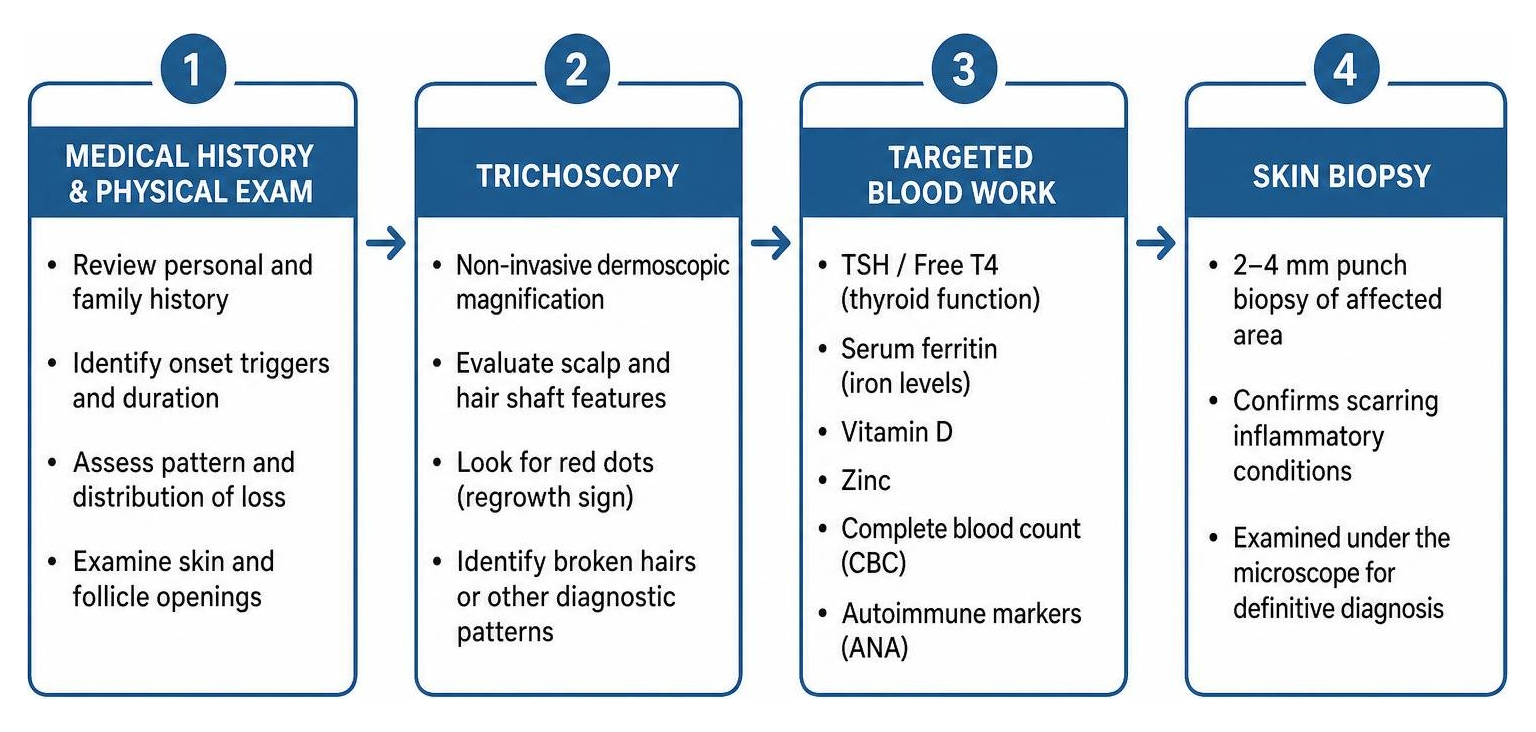
- Medical History & Physical Exam: Reviewing family history, sudden onset triggers, and physical loss patterns.
- Trichoscopy: A non-invasive dermoscopic magnification tool that lets the doctor inspect the skin surface and hair shafts. Findings like “red dots” can actually indicate a positive sign for potential regrowth, while short, snapped hairs of varying lengths point to physical pulling (trichotillomania).
- Targeted Blood Work: Testing TSH/Free T4 (thyroid function), serum ferritin (iron levels), Vitamin D, zinc, complete blood count (CBC), and autoimmune markers (ANA).
- Skin Biopsy: Taking a tiny 2 to 4 mm punch sample of skin to confirm scarring inflammatory conditions like Frontal Fibrosing Alopecia under a microscope.
For a deeper dive into evaluating early symptoms, explore our beginner’s guide to thinning eyebrows causes.
Treatment Pathways: From Medical Therapies to Semi-Permanent Solutions

Once a clear diagnosis is made, treatment can begin. Pathways range from prescription medical treatments to advanced aesthetic eyebrow restoration.
Medical & Topical Prescriptions
- Corticosteroids: Topical high-potency steroids (like clobetasol dipropionate 0.05%) or intralesional triamcinolone acetonide injections administered by a dermatologist can reduce autoimmune inflammation around follicles. In comparative clinical trials, topical clobetasol dipropionate provided significant regrowth (10 out of 16 patients) compared to initial trials of topical JAK inhibitors.
- Topical Minoxidil (2%): Off-label use of low-dose minoxidil can help widen blood vessels and extend the anagen growth phase. It should be applied carefully with a cotton swab to avoid unwanted growth on surrounding facial skin.
- Prostaglandin Analogues (Bimatoprost / Latanoprost): Originally created for glaucoma and eyelash hypotrichosis, prescription growth drops can stimulate eyebrow follicles. In long-term studies using latanoprost 0.005% nightly over 2 years, 17.5% of patients achieved complete regrowth and 27.5% experienced moderate regrowth.
- JAK Inhibitors & Contact Immunotherapy: Advanced therapies like oral or topical JAK inhibitors (tofacitinib, baricitinib) target underlying autoimmune signals. Combination treatments like DPCP immunotherapy combined with anthralin ointment have demonstrated complete eyebrow regrowth in up to 66.7% of study participants.
Cosmetic & Semi-Permanent Restoration
When follicles are permanently scarred or natural regrowth is slow, cosmetic restoration offers an instant, life-changing boost in visual density.
- Microblading: Uses a fine manual blade to deposit pigment in hair-like strokes. Perfect for normal-to-dry skin types with sparse areas.
- Nano Brows: Uses a single ultra-fine digital needle to create delicate hair strokes with minimal skin trauma. Excellent for sensitive, aging, or oily skin types.
- Powder / Ombré Brows: Creates a soft, shaded pencil effect that adds depth, perfect for covering up total brow loss or uneven patchy areas.
- Surgical Eyebrow Transplants: Involves harvesting 100 to 400 single-hair unit grafts from the back of the scalp and transplanting them into the brow arch. For scarring conditions like FFA, the disease must remain dormant for at least 1 to 2 years before surgery.
To explore aesthetic options tailored to your needs, check out our guide on the best treatments for thinning eyebrows.
Frequently Asked Questions About Eyebrow Hair Loss
Can thinning eyebrows grow back naturally?
Yes, provided the hair follicles are still alive and unscarred (non-scarring madarosis). Once underlying conditions—such as low iron, thyroid imbalances, eczema, or stress—are corrected, brows usually begin growing back within 3 to 6 months. However, if scarring has occurred, natural regrowth will not happen, and semi-permanent makeup or surgical transplants become the primary options for restoration.
What is Hertoghe’s sign and how does it relate to brow health?
Hertoghe’s sign (also known as Queen Anne’s sign) refers specifically to the noticeable loss or thinning of the outer third (lateral edge) of the eyebrows. It is a classic clinical indicator of hypothyroidism or severe atopic dermatitis. If you notice your brows disappearing near your temples, ask your primary care provider or dermatologist for a routine thyroid blood panel (TSH and Free T4).
When should I see a dermatologist for sparse eyebrows?
You should schedule an evaluation with a board-certified dermatologist if:
- Your eyebrow loss is sudden, rapid, or severe
- You notice smooth, round bald patches or skin redness, scaling, and itching around your brows
- Eyebrow loss is accompanied by scalp hair shedding, fatigue, unexplained weight changes, or joint pain
- You suspect scarring, shiny skin, or permanent follicle loss
Conclusion
Losing your eyebrows can feel unsettling, but you don’t have to navigate it alone. Understanding eyebrow hair loss causes—whether they stem from past over-plucking, hormonal shifts, skin conditions, or autoimmune responses—allows you to take charge of both your medical health and your cosmetic confidence.
When medical treatments take time, or when scarred follicles leave permanent gaps, semi-permanent makeup offers a safe, instant, and beautifully realistic solution.
At Lavishing Eyebrows in Murrieta, CA, we specialize in helping clients across Southwest Riverside County—including Temecula, Menifee, Lake Elsinore, Corona, and Riverside—reclaim their arches and their self-esteem.
Our founder and certified brow specialist, Vicky, brings perfectionist artistry and a warm, reassuring consultation process to every appointment. Trained by elite institutions including the World Microblading Academy, PHI Brow Academy, and Mystique Brow Academy, Vicky treats every client’s brows as a unique work of art.
Whether you are dealing with age-thinned brows, over-plucked arches, or permanent hair loss, Vicky crafts custom microblading, nano brows, and powder brows tailored specifically to your skin type and facial structure. We invite you to explore the best treatments for thinning eyebrows and book your comfortable, reassuring consultation with us today!