How to Remove Eyebrow Tattoo Pigment Safely
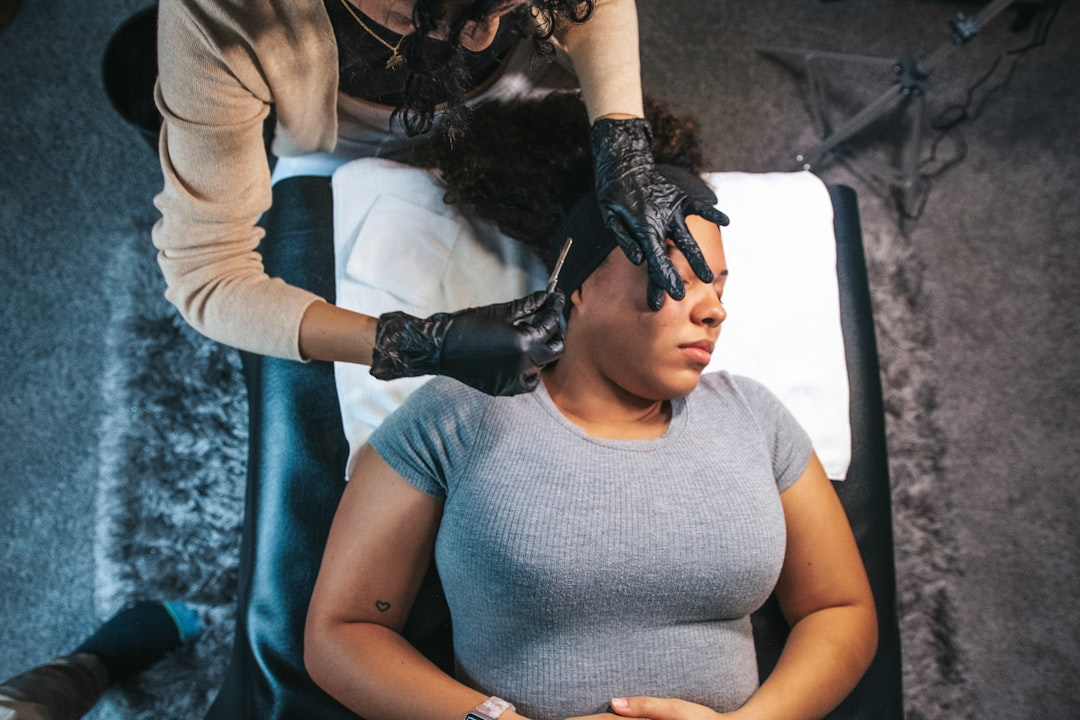
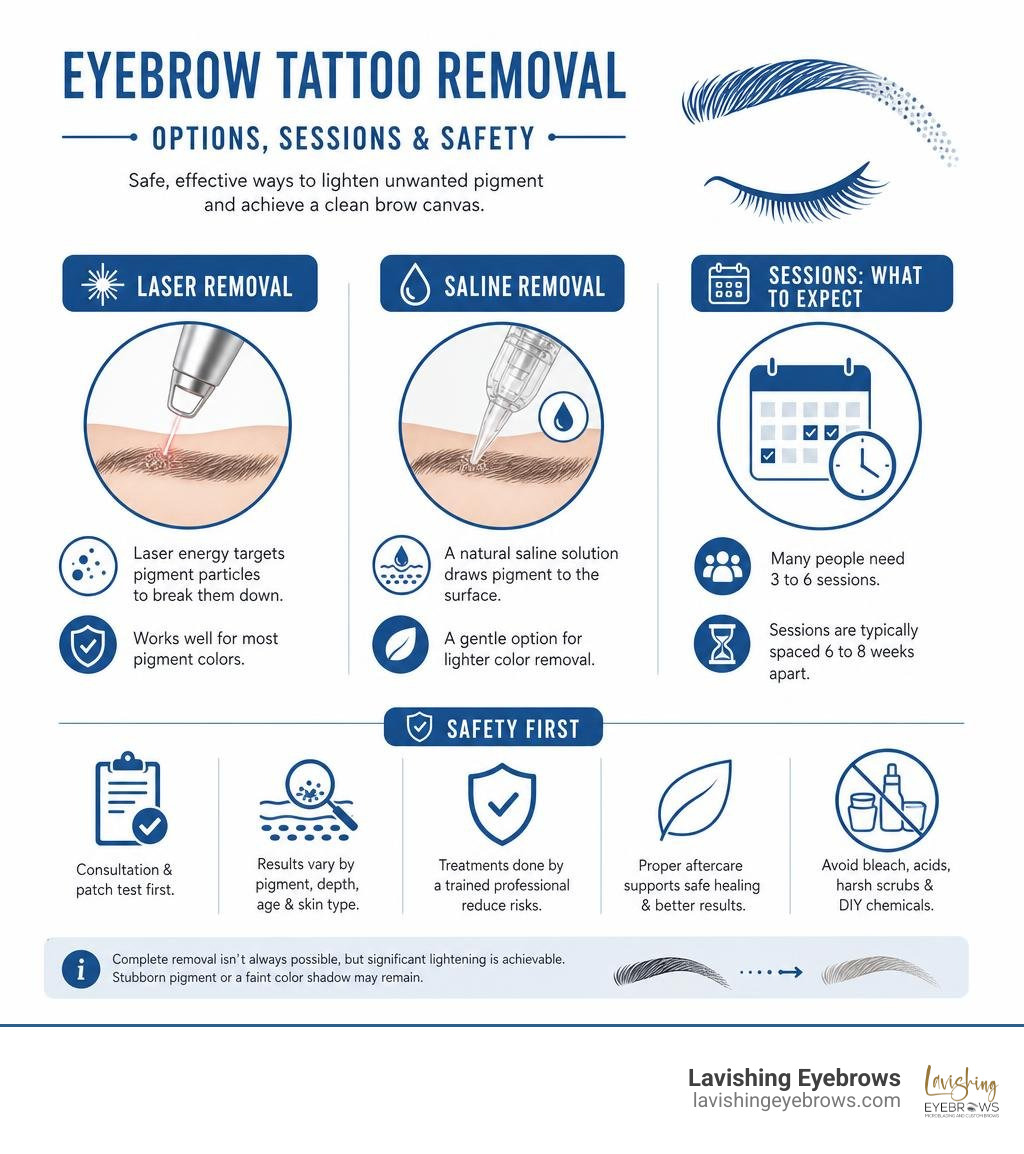
You can remove eyebrow tattoo pigment or lighten it enough for a better brow shape, color correction, or fresh application. The right method depends on the pigment, how deeply it was placed, its age, and how your skin responds.
| Quick answer | What to expect |
|---|---|
| Best professional options | Laser removal and saline removal are the main methods. |
| Typical number of sessions | Many people need 3 to 6 sessions, usually spaced 6 to 8 weeks apart. |
| Can it disappear completely? | Sometimes, but stubborn pigment or a faint color shadow can remain. |
| Important first step | A consultation and small patch test can reveal whether pigment will fade, turn warm, or darken. |
| Never do this | Do not use bleach, acids, harsh scrubs, or DIY chemical treatments on your brows. |
Bad brows can mean many things: a shape that no longer suits your face, overly dark or blocky pigment, faded gray or red tones, or old microblading that has blurred over time. You are not stuck with them, but removal is not one-size-fits-all.
This guide explains what affects fading, what to expect from the process, and how to protect your skin while working toward a cleaner brow canvas.
Why Eyebrow Tattoos Fail and How Application Technique Impacts Removal
When a cosmetic tattoo doesn’t turn out as expected, the issue usually stems from technical execution or pigment selection. The technical factors during original application directly govern how challenging it will be to remove eyebrow tattoo pigments down the road.
Three primary technical factors determine how ink behaves over time:
- Implantation Depth: If pigment is placed too shallow, it sheds quickly. If implanted too deep into the reticular dermis, pigment becomes trapped beneath healing tissue, leading to cold, bluish-gray tones and potential scarring.
- Pigment Saturation: Packing too much ink into a single area creates dense layers. Over-saturation makes it significantly harder for light energy or extraction solutions to break pigment apart.
- Skin Trauma: Excessive pressure from manual microblading blades or heavy machine shading causes fibrotic scar tissue. Scarring encapsulates pigment molecules, creating a barrier that slows down natural clearance.
Permanent makeup (PMU) artists play a crucial role in preventing permanent disasters by using proper mapping, respecting dermal depth, and avoiding heavy-handed saturation. When artists prioritize skin integrity, future adjustments remain straightforward. If you are struggling with unwanted PMU, exploring professional guides like Unveiling a Fresh Canvas: Eyebrow Tattoo Removal Made Easy can give you a clearer roadmap toward restoration.
Why Clients Choose to Remove Eyebrow Tattoo Pigments
Unsatisfactory cosmetic brows are a surprisingly common experience. People seek to lighten or eliminate old permanent brows for several common reasons:
- Botched Shape or Asymmetry: Brows that are uneven, too thick, positioned too high, or carved into unnatural arches create daily frustration.
- Unnatural Fading and Color Shifts: Cosmetic pigments are complex blends of black, red, yellow, and white oxides. As individual iron oxides or organic components break down at different rates, brows can turn pink, orange, purple, or slate gray.
- Pigment Migration: Over time, strokes applied too deeply or into thin, brittle skin can blur together, creating a muddy, solid appearance instead of crisp, hair-like lines.
- Evolving Trends and Personal Style: Bold, blocky brows popular a decade ago look heavy compared to today’s soft, feathered powder brows or natural nano strokes.
Reviewing visual transformations in resources such as From Botched to Bare Brows in Pictures demonstrates how professional fading methods can reshape your face and restore self-confidence.
Traditional Tattoo Ink vs Microblading and Powder Brows
Understanding what is inside your skin is essential before selecting a removal method. Traditional eyebrow tattoos and modern semi-permanent PMU techniques differ across three main operational areas:
- Traditional Eyebrow Tattoos: Performed with standard body tattooing coil or rotary machines, placing permanent, carbon- or heavy metal-based body ink deep into the dermis. These old-school tattoos (often done 10 to 15 years ago) are notoriously permanent, requiring extensive sessions to break down.
- Microblading: Uses a fine, manual hand-tool composed of tiny needles to slice micro-cuts into the upper dermis, depositing semi-permanent iron oxide or organic pigments. Microblading is designed to last 1 to 3 years before naturally softening.
- Powder and Ombre Brows: Created using a digital PMU machine that deposits thousands of microscopic pigment dots into the superficial layer of the dermis, creating a soft, pixelated makeup effect that fades evenly.
Understanding whether your ink is permanent or semi-permanent determines the best treatment path. To dive deeper into pigment longevity, read our breakdown on Is Microblading Permanent?.
Professional Methods to Remove Eyebrow Tattoo Pigment
When you decide to eliminate unwanted cosmetic ink, two gold-standard professional treatments lead the industry: laser tattoo removal and saline pigment extraction. Both methods offer distinct advantages, depending on pigment composition and skin type.

| Removal Feature | Laser Removal (e.g., PicoWay, Q-Switched) | Saline Removal (e.g., Botched Ink) |
|---|---|---|
| Mechanism | Photo-acoustic energy shatters ink inside the dermis | Osmosis pulls ink up through an open skin surface |
| Best For | Black, dark brown, and carbon-based pigments | Multi-colored inks, titanium dioxide (white), red/orange hues, scar tissue |
| Pigment Destination | Absorbed into lymphatic system and flushed naturally | Lifted out onto skin surface via scab formation |
| Average Cost | $200 – $400+ per session (£100–£300 in UK) | $100 – $250 per session |
| Typical Sessions | 1–3 (newer light PMU) to 8–10+ (deep/old ink) | 3–6 sessions |
| Session Intervals | Spaced 6 to 8 weeks apart | Spaced 8 to 12 weeks apart |
How Laser Tattoo Removal Works on Cosmetic Pigments
Laser removal utilizes ultra-short bursts of light energy—measured in nanoseconds (Q-Switched) or picoseconds (PicoWay)—to target unwanted pigment particles. The laser light passes through the upper epidermis and hits the ink target, creating a photo-acoustic shockwave. This energy shatters the encapsulated pigment particles into microscopic dust fragments. Once broken down, your body’s immune cells (macrophages) engulf the tiny ink particles and filter them out through the lymphatic system over the following 6 to 8 weeks.
According to scientific research on laser tattoo removal, modern picosecond technology allows practitioners to treat cosmetic ink with reduced thermal impact, minimizing risks to surrounding dermal tissue.
Saline Removal and Non-Laser Pigment Extraction
Saline removal is an osmotic pigment extraction process. A certified technician uses a permanent makeup machine or manual tool to open the skin over the unwanted tattoo, introducing a specialized, hypertonic salt solution into the dermis.
Through the natural chemical process of osmosis, fluid moves from low salt concentration to high salt concentration. The saline solution draws pigment-laden fluid upward out of the dermis toward the surface. As the area heals over the next week, a scab forms over the brow, trapping the lifted pigment. When the scab naturally sheds, the trapped ink comes off with it.
Saline removal is especially useful when:
- Brows contain white titanium dioxide (which lasers turn dark grey or black).
- Brows have turned stubborn yellow or green hues that lasers struggle to detect.
- The skin contains dense fibrotic scar tissue where laser light struggles to penetrate effectively.
- Emergency removal is required within the first 48 hours of a botched procedure before the skin seals closed.
Key Factors, Session Expectations, and Pigment Chemistry
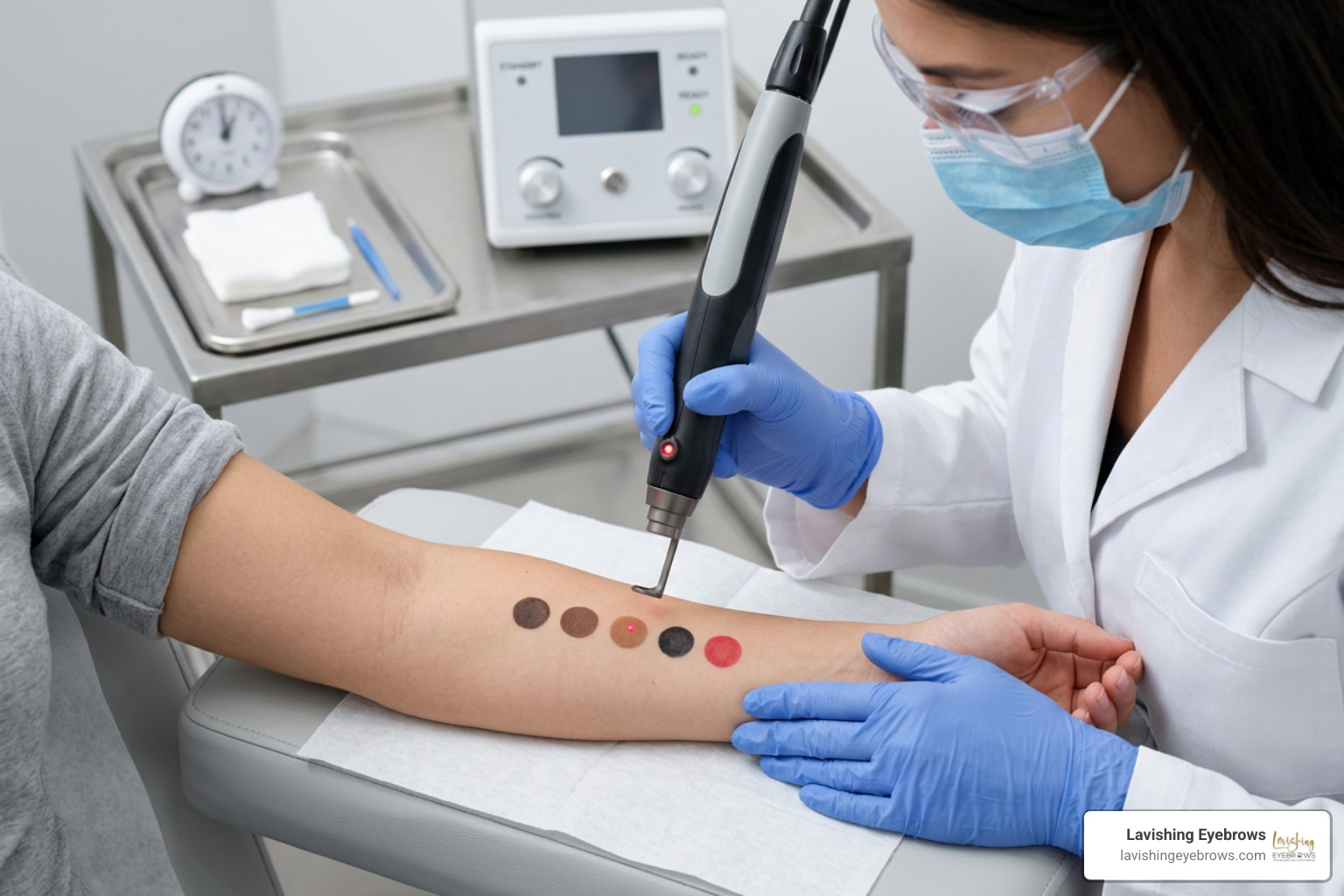
No two brow removal cases are identical. How quickly your brows clear depends on several biological and chemical variables:
- Age of the Tattoo: Newer brow PMU (1 to 3 years old) has fewer dense pigment layers and responds rapidly, often requiring only 1 to 3 sessions. Older tattoos (10 to 15 years old) placed with deep body ink may take 8 to 12+ sessions over multiple years.
- Pigment Composition: Inorganic pigments (like iron oxides) react differently than synthetic organic pigments. Iron oxides carry a risk of color transformation, while cheap or unregulated imported pigments can contain unknown chemical compounds that resist laser energy entirely.
- Skin Fitness and Health: A healthy immune system clears shattered pigment faster. Proper hydration, active blood circulation, and avoiding smoking dramatically improve pigment elimination speed.
How Many Sessions Does It Take to Remove Eyebrow Tattoo Ink?
Setting realistic expectations prevents frustration during treatment. While marketing claims sometimes promise “instant removal,” true pigment clearance takes time:
- Lightening for Correction (1–3 Sessions): If you simply want to soften dark brows so a master PMU artist can apply natural nano strokes or powder shading over top, 1 to 3 sessions are usually sufficient.
- Full Removal of Microblading or PMU (3–6 Sessions): Standard semi-permanent brow pigments placed at moderate dermal depths clear significantly within 3 to 6 sessions spaced 6 to 8 weeks apart.
- Deep, Traditional Machine Tattoos (8–10+ Sessions): Old, dark, blocky machine tattoos require long-term dedication, sometimes taking up to 10 treatments spread over 12 to 18 months.
Understanding Pigment Oxidation and Color Transformations
Cosmetic tattoo removal carries a unique risk not typically seen with standard body tattoos: paradoxical darkening.
Cosmetic brown inks are created by mixing black, red, yellow, and white pigments. Many brown pigments contain ferric oxide (iron oxide) or titanium dioxide. When exposed to the high heat and light energy of a laser, iron oxide can oxidize instantly, turning ferric oxide into ferrous oxide.
Practically, this means your dark brown or reddish brow can instantly turn dark grey, jet black, or rusty orange during your first laser pulse! This color shift can be jarring, but it is a known step in the process. Subsequent laser sessions using adjusted wavelengths (such as switching between 1064nm for dark tones and 532nm for red tones) will continue breaking down the oxidized pigment until it fully fades.
Essential Aftercare Protocols and Safe At-Home Fading
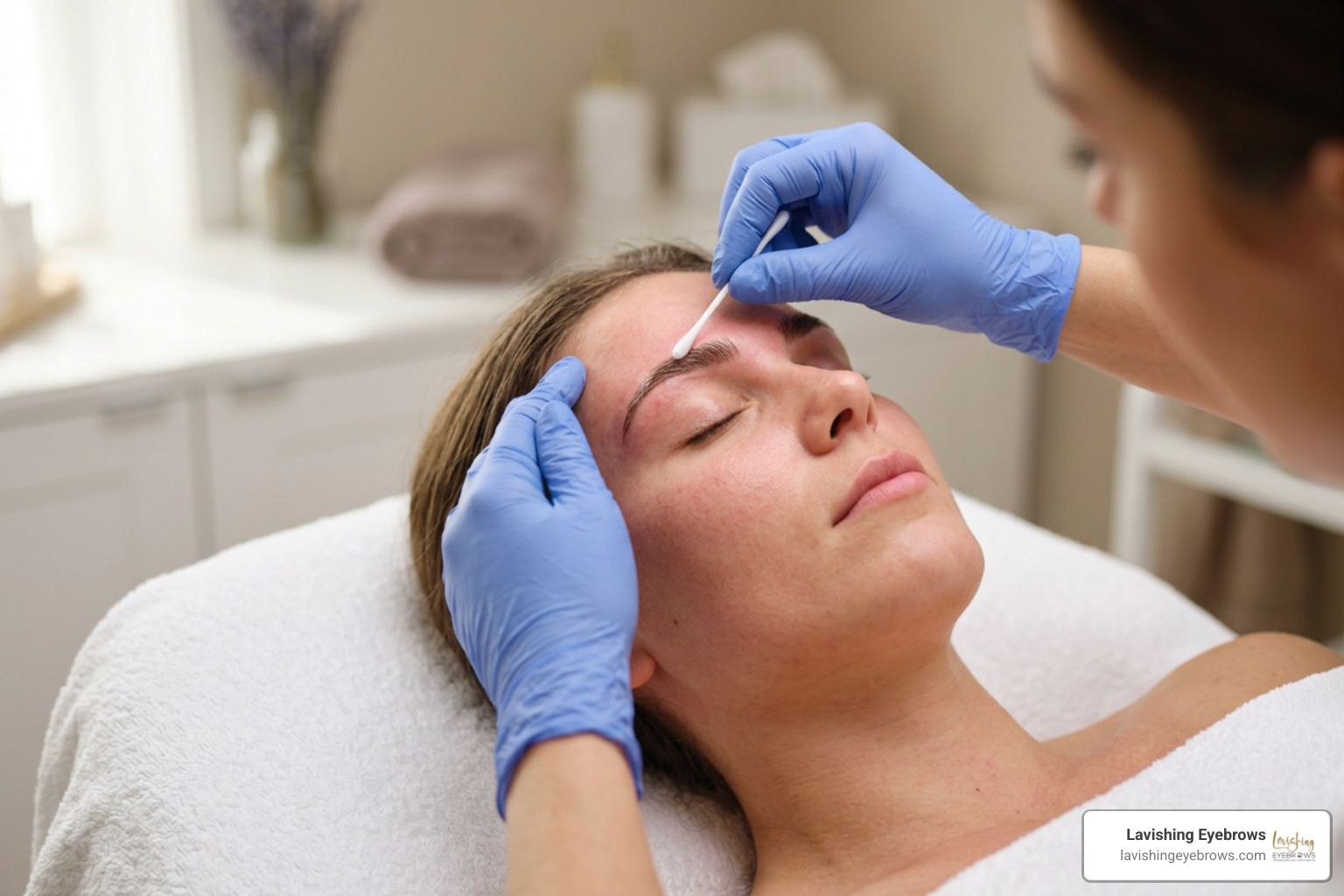
What you do after a removal session is just as critical as the session itself. Proper aftercare prevents infection, minimizes scarring risk, and ensures optimal pigment clearance.
Post-Laser Care Guidelines:
- Keep the area clean and dry for the first 24 to 48 hours.
- Apply 100% pure aloe vera gel or a thin layer of prescribed healing ointment to soothe heat.
- Avoid applying makeup, scented creams, or active skincare (retinols, AHAs, BHAs) to the brows for at least 72 hours.
- Apply SPF 30+ physical sunscreen daily once skin has closed, avoiding direct sun exposure for 4 weeks.
Post-Saline Care Guidelines:
- Keep the area strictly dry to allow a solid scab to form over 7 to 10 days.
- Never pick or scratch scabs! Peeling scabs prematurely strips away new skin layers and creates permanent pitted scars.
- Let scabs fall off naturally in the shower or during routine dry cleansing.
Dangerous DIY Methods to Avoid at All Costs
When faced with a botched eyebrow procedure, panic can lead people to try dangerous home remedies found online. Never attempt the following home methods to remove eyebrow tattoo pigment:
- Household Bleach or Hydrogen Peroxide: Applying household cleaners or high-strength peroxide to open wounds causes severe chemical burns, tissue necrosis, permanent white patches (hypopigmentation), and extreme scarring.
- Coarse Salt Scrubs and Mechanical Dermabrasion: Rubbing raw salt into open skin creates severe friction burns, introduces bacterial infections, and leaves raised keloid scars without lifting deep dermal ink.
- At-Home Acid Peels or Hair Removal Creams: High-concentration glycolic acid or depilatory creams melt epidermal tissue indiscriminately, leading to permanent hair follicle destruction and disfiguring scars.
Safe At-Home Fading Tips During Early Healing
If you are within the first 7 to 14 days of a fresh brow procedure and are unhappy with the initial results, there are gentle, safe ways to encourage natural pigment rejection without harming your skin:
- Warm Steam Exposure: Taking warm, steamy showers twice daily for 5 to 10 minutes helps soften open skin pores, encouraging excess lymph fluid and surface pigment to lift out naturally.
- Rosehip Seed Oil: Applying 1 to 2 drops of pure, cold-pressed rosehip seed oil three times daily gently conditions healing skin, promotes cellular turnover, and helps soften dark pigment buildup without causing inflammation.
- Mild Sea Salt Compress: Dissolve 1/2 teaspoon of pure sea salt into 1 cup of warm distilled water. Soak a clean cotton pad and gently press it against your brows for 5 minutes once daily. This mild compress draws out surface lymph without burning skin tissue.
- Hold Off on Aftercare Ointments: Heavy ointments like Aquaphor seal moisture in, helping skin retain pigment. Skipping thick ointments allows the skin to scab naturally and push excess surface ink out.
Frequently Asked Questions About Eyebrow Tattoo Removal
Does laser removal cause eyebrow hair loss?
No. Medical-grade Q-switched and picosecond lasers target ink particles deep in the dermis without harming upper hair follicles. The laser energy is absorbed so rapidly by the pigment that it does not generate prolonged thermal heat near the hair roots. You may experience temporary whitening (frosting) of the natural brow hairs during treatment, but this is a surface optical effect; hair growth remains intact, and hairs return to their natural shade as they grow out.
What should you expect during a pre-removal consultation?
During a professional consultation, your specialist will:
- Review your medical history, health conditions, and current skin medications (like Accutane or blood thinners).
- Classify your skin type using the Fitzpatrick scale to assess pigment and melanin response.
- Examine the depth, texture, and color of your current eyebrow tattoo.
- Perform a small laser or saline patch test on the outer edge of your brow to monitor for paradoxical darkening or immediate allergic reactions.
- Create a tailored session schedule based on your ultimate goals (full clearance vs. partial fading).
Can eyebrow tattoos be completely erased?
In many cases, 70% to 100% fading is achievable! However, total removal depends on how deeply ink was placed and whether scar tissue is present. Sometimes a soft, shadow-like residual tone remains. Fortunately, complete erasure is rarely required if your goal is to correct your brows. Fading unwanted pigment by 50% to 70% creates a ideal foundation for master artists to perform color correction or apply fresh hair-like strokes. Learn how modern cover-up techniques work by reading Correction Microblading: Turning Disasters into Masterpieces.
Conclusion
Living with botched, dark, or discolored eyebrow tattoos can feel overwhelming, but you do not have to accept unsatisfactory brows forever. Modern removal techniques—from advanced picosecond laser removal to osmotic saline extraction—offer proven pathways to safely fade unwanted ink while protecting skin health.
Whether your goal is total pigment elimination or gentle fading to prepare for a beautiful set of new powder brows, the journey begins with an expert assessment. At Lavishing Eyebrows, located in Murrieta, CA, and proudly serving clients across Southwest Riverside County (including Temecula, Menifee, Corona, and Riverside), certified specialist Vicky combines technical mastery with a compassionate consultation process. Every set of brows is treated as custom artwork, ensuring your skin remains healthy every step of the way.
Take control of your brow journey today. Start Your Brow Removal Journey Today by booking a personalized consultation with our expert team, and say goodbye to bad brows for good!