Why Microblading for Cancer Patients Is More Than a Cosmetic Choice
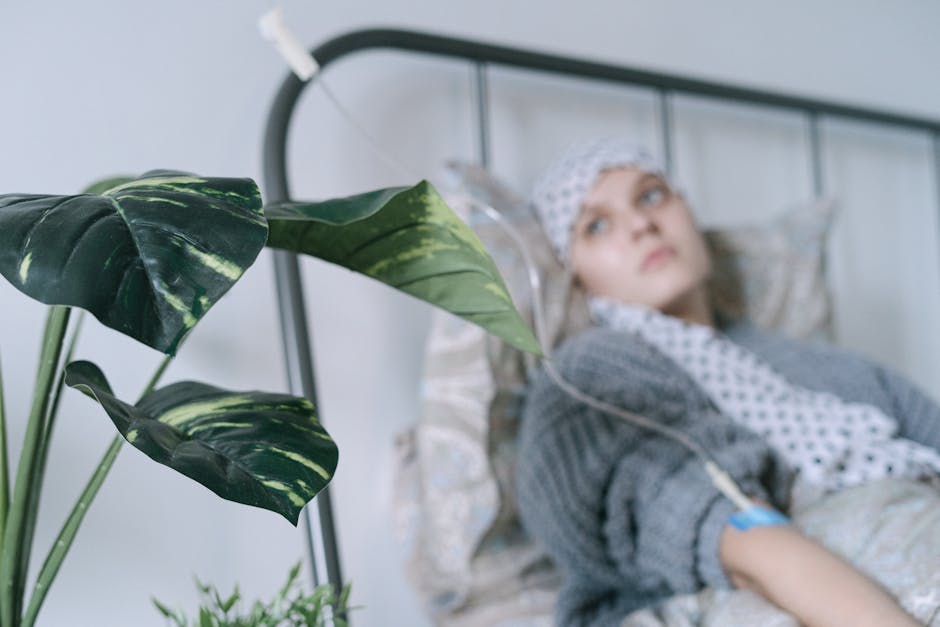
Microblading for cancer patients is one of the most meaningful — and carefully timed — decisions a person can make during their treatment journey.
Here is a quick overview of what you need to know:
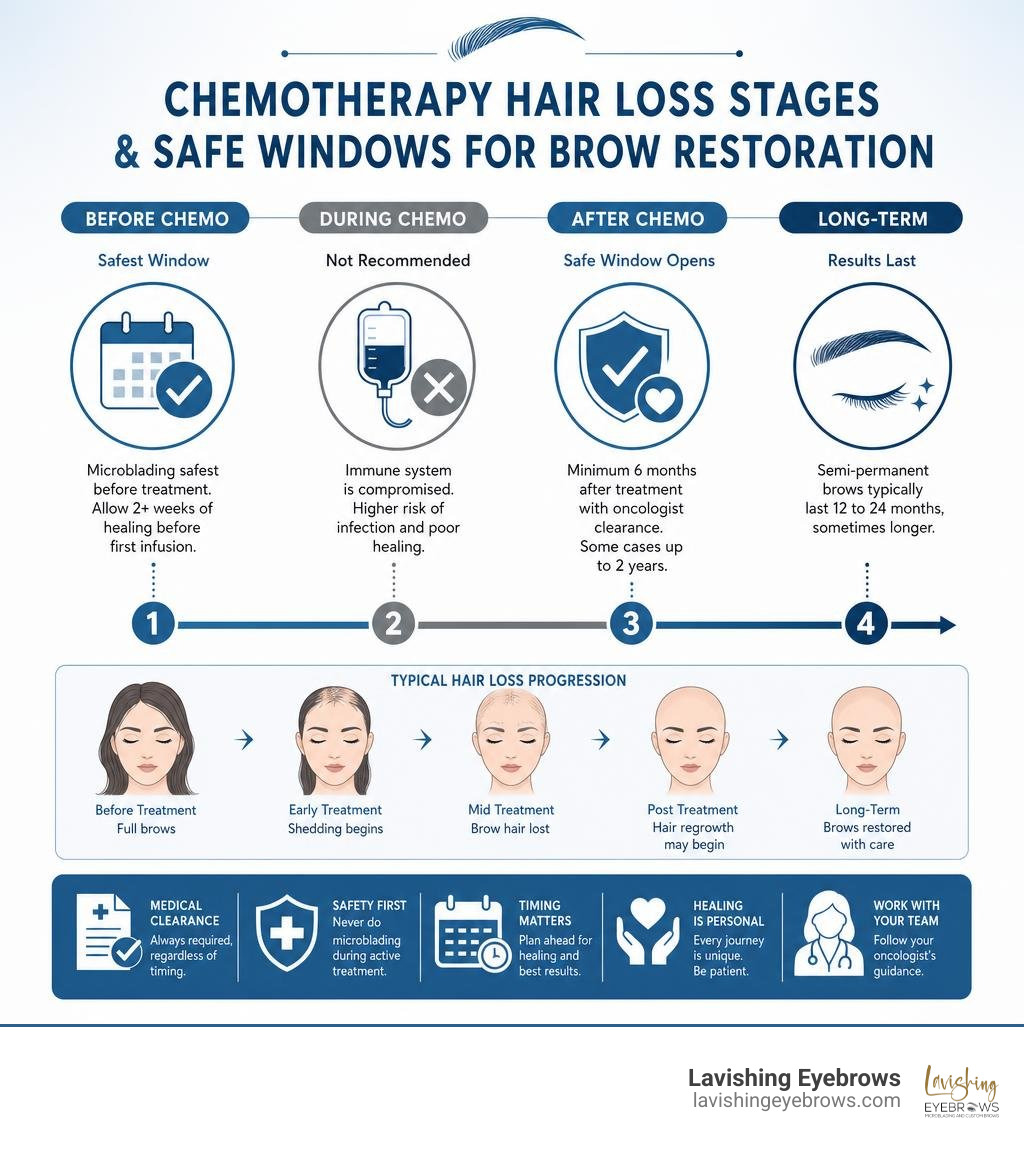
- Before chemo: Microblading is safest done before chemotherapy starts, with at least 2 weeks of healing time before your first infusion.
- During chemo: Not recommended. A compromised immune system raises serious infection risks.
- After chemo: Most practitioners require a minimum of 6 months post-treatment, with written oncologist clearance. Some cases need up to 2 years.
- Medical clearance: Always required, regardless of timing.
- Results: Semi-permanent brows typically last 12 to 24 months, sometimes longer.
Chemotherapy often causes complete hair loss — including eyebrows and eyelashes. For many women, losing their brows is one of the most emotionally difficult parts of treatment. Unlike head hair, eyebrows define your facial structure. Without them, even close friends say you look different. You feel different.
One patient described timing her microblading session before her first chemotherapy cycle specifically so her face “would still look like her face” when her brows eventually fell out. That kind of preparation — knowing your features are preserved — can make a real difference in how you face the months ahead.
But microblading during cancer treatment is not a casual decision. Timing, immune health, skin condition, and oncologist approval all matter deeply. Getting it wrong can delay chemotherapy, cause infection, or result in poor pigment retention.
This guide walks you through everything: when to go, when to wait, what to ask your doctor, and how to find the right artist.
Microblading for cancer patients terms to learn:
What is Microblading for Cancer Patients?
At its core, microblading is a specialized form of cosmetic tattooing designed to recreate the appearance of natural brow hairs. Rather than relying on a traditional tattoo machine, a certified artist uses a manual hand-held tool equipped with ultra-fine, sterile needles.
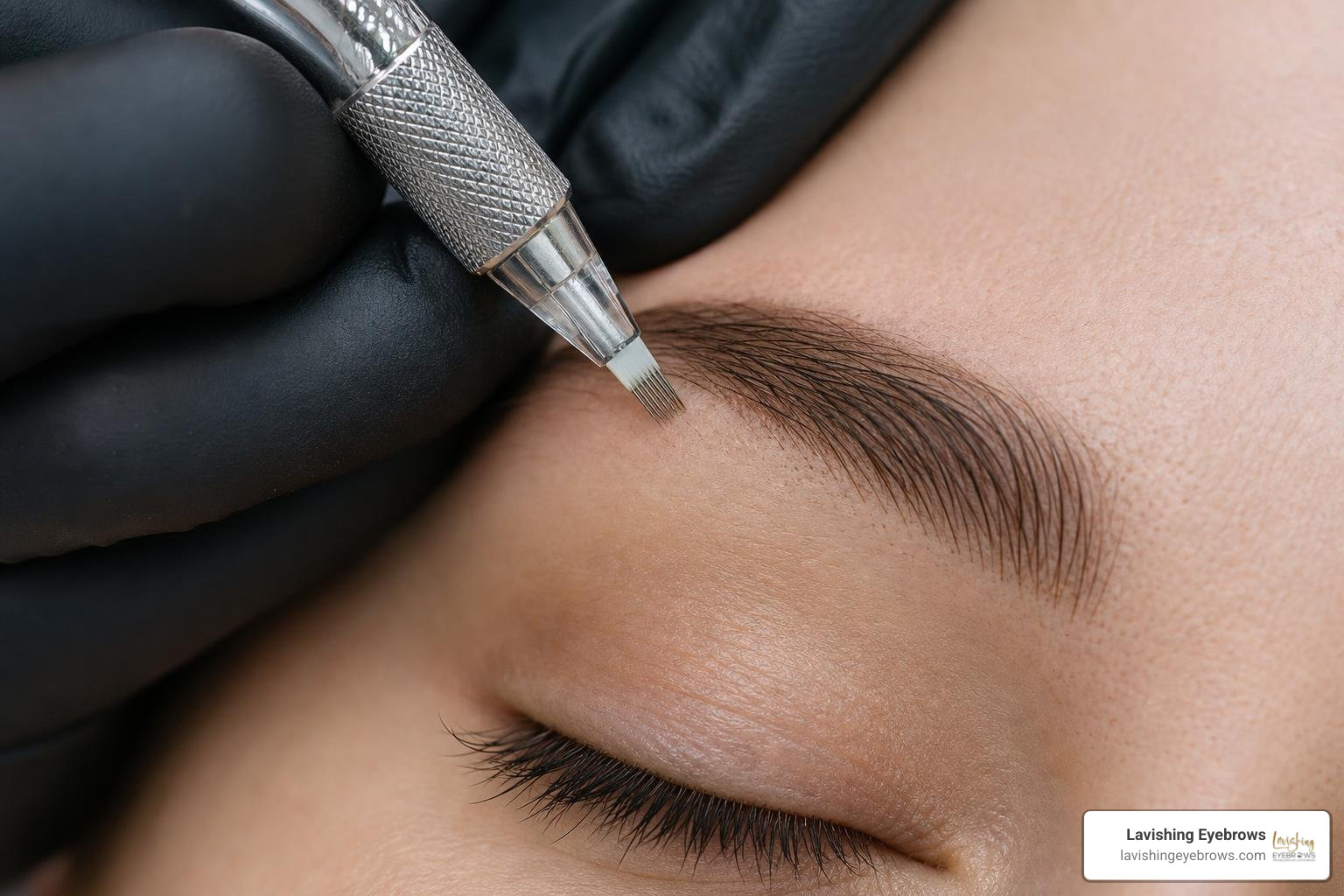
By making microscopic, controlled incisions in the very top layer of the skin (the epidermis), the artist deposits semi-permanent pigment that mimics real, individual hair strokes. This technique is incredibly popular because it restores missing facial framing, helping individuals look and feel like themselves again.
To understand how this fits into your overall beauty plan, it helps to read our detailed breakdown on What is microblading eyebrows and explore the fundamental question: Is microblading permanent? Because it is semi-permanent, it allows for natural adjustments as your facial structure and hair growth patterns change over time.
Microblading vs. Traditional Eyebrow Tattooing
Many people confuse microblading with traditional permanent makeup, but they are vastly different procedures:
- Pigment Depth: Traditional eyebrow tattooing deposits ink deep into the dermis. Microblading places semi-permanent pigment much shallower, just below the junction of the epidermis.
- Color Morphing: Traditional tattoo ink often contains heavy metals and can degrade over time, morphing into blue, green, or orange tones. Microblading pigments fade into lighter versions of the original color.
- The Technique: Traditional tattoos use a machine that can cause more skin trauma. Microblading uses a manual blade to draw crisp, individual hair strokes.
Understanding these differences is key when looking at How long does microblading eyebrows last, which is typically 12 to 24 months depending on your skin type, immune system, and lifestyle.
Why Cancer Patients Choose Microblading
When chemotherapy-induced hair loss begins, it often starts with the scalp, but eventually claims the eyebrows and eyelashes. While losing head hair can be disguised with beautiful scarves, hats, or custom wigs, losing eyebrows completely changes how you look in the mirror. Eyebrows frame the eyes, show expression, and define the face.
From symmetrical eyebrows every single morning is a frustrating, exhausting chore — especially when you are already dealing with the fatigue of cancer treatments. There is also constant anxiety about your drawn-on brows smearing off during a warm hug, sweating them off during a walk, or having them wash away in water.
Opting for cosmetic brow restoration provides immense emotional relief. It gives you back your morning routine, eliminates “smear anxiety,” and helps you preserve your pre-treatment identity. You can read more about how this technique serves as a powerful tool for rebuilding confidence in our guide to Microblading for hair loss.
Safety, Risks, and the Role of Oncologist Clearance
Safety is the absolute priority when considering microblading for cancer patients. Because the procedure involves breaking the skin, it is a medical decision just as much as an aesthetic one.

Before making any appointments, you must understand the safety boundaries and obtain formal medical clearance. We discuss these general health protocols in our overview of Microblading safety guidelines and our detailed breakdown of the Informed consent process.
Is Microblading Safe for Cancer Patients?
Microblading is highly effective and safe only when performed at the correct time and under strict medical supervision.
During active cancer treatments, your body’s immune system is heavily compromised. Procedures that break the skin barrier are generally not recommended during active chemotherapy or radiation because your body cannot defend itself against bacteria.
However, before chemotherapy begins, or after your immune system has fully recovered, microblading is incredibly safe—provided your artist uses 100% sterile, single-use disposable needles and medical-grade hygiene protocols. For more clinical perspectives on this topic, you can read the article on Cure Today: Eyebrows and Microblading for Cancer Survivors.
Chemotherapy, Immune Suppression, and Infection Risks
Chemotherapy drugs target rapidly dividing cells, which includes your cancer cells but also your bone marrow. This leads to a temporary drop in:
- White Blood Cells (Neutropenia): This is your body’s primary defense against infection. When these numbers are low, even a minor scratch can turn into a serious, systemic infection.
- Platelets: These cells are responsible for clotting your blood. Low platelet counts mean you will bleed excessively during the procedure, which pushes the pigment out of the skin and prevents proper healing.
Because of these compromised levels, undergoing microblading while actively receiving chemotherapy is strictly contraindicated. Any infection contracted during this time could force your medical team to delay your chemotherapy infusions, which directly compromises your cancer treatment plan.
The Critical Timeline: When to Get Your Brows Done
Because of the biological changes your body undergoes during cancer treatments, timing is everything.
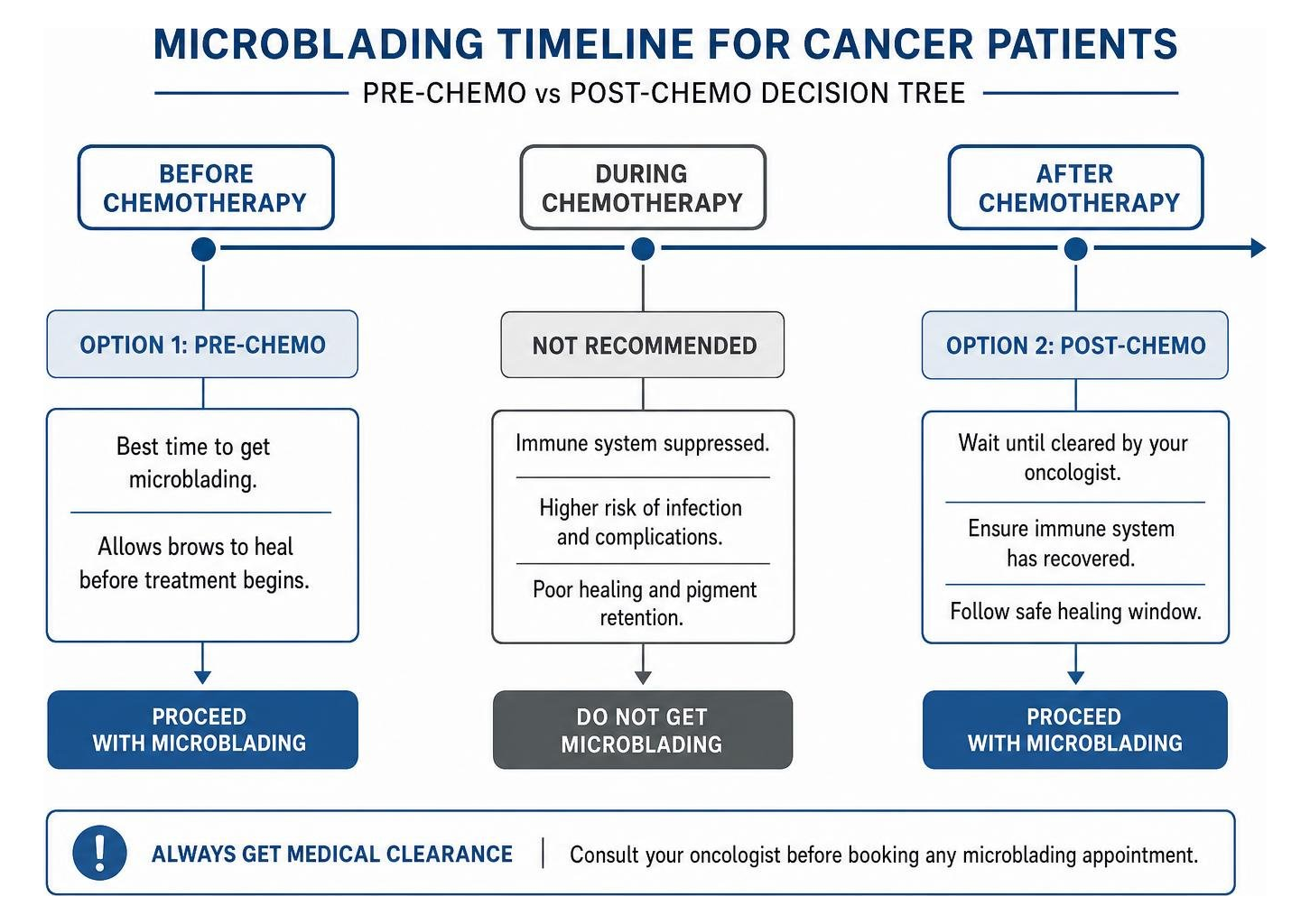
Before booking your session, you should learn How to prepare for microblading to ensure your skin is in the best possible condition for the procedure.
Option 1: Pre-Chemotherapy Microblading
Getting your brows microbladed before you begin chemotherapy is a highly recommended preventative strategy.
Doing so allows the brow artist to map your eyebrows using your natural hair growth patterns as a perfect template. This ensures that when your natural hair does fall out, the microbladed strokes perfectly replicate where your brows used to be.
To do this safely:
- You must allow at least two weeks of healing time between your final microblading session and your very first chemotherapy infusion. This ensures the skin barrier is completely closed and healed before your white blood cell counts drop.
- Because of tight medical timelines, you may have to skip the standard 4-to-6-week touch-up session. That is perfectly okay. Even a single “base” session provides an invaluable visual guide and template that you can easily draw over if it fades during treatment.
The immense psychological benefits of this proactive approach are gaining global medical recognition. For instance, the Royal Free London NHS Trust Microblading Initiative became the first NHS trust in the UK to offer an in-house microblading service to help cancer patients preserve their identity before hair loss begins.
Option 2: Post-Chemotherapy Recovery Window
If you are already undergoing chemotherapy, you must wait until your body has fully recovered before getting microblading.
Your skin needs to be evaluated through a professional skin assessment. While some practitioners can perform an initial skin check around 8 weeks after your final chemotherapy session, the standard safe waiting window is 6 months.
For patients who underwent highly intensive chemotherapy regimens or extensive radiation, it can take up 2 years for the immune system, platelet counts, and skin sensitivity to return to a safe baseline.
Recommended Waiting Periods After Cancer Treatments
| Treatment Type | Recommended Minimum Waiting Period | Why This Wait is Necessary |
|---|---|---|
| Chemotherapy | 6 Months | Allows white blood cell and platelet counts to return to healthy, safe levels. |
| Head & Neck Radiation | 6 Months | Radiation alters skin tissue and sensitivity; waiting prevents severe skin tearing. |
| Facial Surgery | 12 Months | Ensures deep muscle and skin tissues are completely healed and settled. |
| Immunotherapy | 6 Months | Allows the body’s immune system to stabilize, reducing hypersensitivity risks. |
Skin Healing, Pigment Retention, and Hormone Therapies
Once you have been cleared for the procedure, it is important to understand that post-cancer skin behaves differently than standard skin.
To help manage your expectations, we recommend reading about the general Microblading healing process and reviewing our day-by-day guide to the Microblading healing day by day cycle.
How Chemotherapy Affects Skin and Pigment Color Shifts
Chemotherapy drugs remain in your system for quite some time, altering your skin’s texture, oils, and chemical composition. Because of this, post-chemo skin can react unpredictably to organic semi-permanent pigments:
- Slower Scabbing: Your skin’s cell turnover rate is slower, meaning the microbladed strokes will scab and flake off over a longer period.
- Color Shifting: Altered skin chemistry can cause organic pigments to heal much cooler than intended, sometimes shifting brown tones toward blue, purple, or dark grey shades. An experienced artist will adjust their pigment mix to counteract this.
Microblading for Cancer Patients on Tamoxifen
Many breast cancer survivors are prescribed Tamoxifen or other endocrine therapies for several years post-treatment.
Around 32% of women on endocrine therapy experience some degree of ongoing hair thinning. Fortunately, taking Tamoxifen does not rule you out from getting microblading.
However, hormone therapies can cause ongoing skin dryness and sensitivity. Your brow artist will need to adjust their technique — using a lighter hand and choosing highly hydrating, gentle aftercare products — to ensure the pigment is retained beautifully despite the dry skin barrier.
Choosing an Artist and Post-Cancer Aftercare
Because working with post-cancer skin requires specialized knowledge, choosing the right artist is the most critical step of your journey.
Before booking, we suggest looking through a professional Microblading before after portfolio to see how artists work with different facial structures and hair loss levels.
What to Look For in a Post-Cancer PMU Artist
When researching artists in Southwest Riverside County, look for the following:
- Specialized Oncology Training: Ask if they have completed training in oncology esthetics or permanent makeup for medical patients.
- Experience with Zero-Hair Clients: Look at their portfolio (especially on Instagram) for “before” pictures of clients with absolutely no eyebrow hair. Recreating a brow from scratch without any hair to guide the shape requires advanced, 3D-mapping artistry.
- Uncompromising Sterile Protocols: Ensure they use single-use, disposable blades and open the sterile packaging directly in front of you.
Special Aftercare Steps for Cancer Survivors
Post-cancer skin is delicate, meaning your aftercare routine must be incredibly gentle to prevent infection and protect the pigment:
- Cleanse with Cool Boiled Water: For the first week, gently wipe your brows with a clean cotton pad dampened with cool, boiled water (to ensure no tap-water bacteria enters the micro-wounds).
- Apply Recommended Healing Ointment: Use a thin layer of a pure, chemical-free healing ointment (like sterile petroleum jelly) 3 to 5 times daily to keep the skin hydrated and prevent heavy scabbing.
- Avoid Sun and Sweat: Keep your healing brows out of direct sunlight and avoid heavy workouts for at least 14 days.
You can read our complete, step-by-step instructions in our guide to Microblading aftercare instructions.
Frequently Asked Questions about Brow Restoration
Navigating cosmetic recovery can feel overwhelming. Here are answers to the most common questions cancer survivors ask.
Does insurance cover microblading for cancer patients?
Yes, in some cases! Some health insurance plans cover permanent makeup under “restorative cosmetics,” especially when it is documented as a reconstructive step following cancer-related hair loss (similar to how 3D areola and nipple reconstruction is covered after a mastectomy).
To explore this, ask your oncologist to write a prescription for “restorative brow pigment prosthesis due to chemotherapy-induced alopecia” and submit it to your provider. For more details on navigating these financial options, read the comprehensive guide on Permanent Makeup for Cancer Survivors — Restoring Confidence | Eyebrows By GG.
What are the best temporary alternatives to microblading during recovery?
If you are currently undergoing chemotherapy or are in the mandatory post-treatment waiting period, there are several wonderful, non-invasive ways to define your brows:
- Eyebrow Tinting: A great option if you still have tiny, fine “peach fuzz” hairs, as the tint clings to these hairs to create a fuller look without breaking the skin.
- Temporary Brow Tattoos & Stencils: Water-resistant press-on brow stickers or powder stencils that apply in seconds.
- Magnetic Lashes & Soft Brow Pencils: Gentle cosmetics that do not irritate sensitive skin.
For a deeper look at managing your brow journey during recovery, check out the guide on Microblading After Chemotherapy: Timing, Questions & What to Ask – WitchyLashes.
Can I get microblading if I cannot have the 4-week touch-up?
Absolutely. If your chemotherapy schedule starts soon and you only have time for the initial “base” session, you should still get it.
Even without the perfecting touch-up, the initial session provides a beautiful, symmetrical frame. If it fades slightly during your treatment, it still serves as a perfect template that you can easily trace over with a pencil in the morning.
You can read real-world discussions and patient experiences on this exact situation in the Microblading – Chemotherapy – Breast Cancer Now forum.
Conclusion
Reclaiming your features after a cancer diagnosis is a deeply personal, empowering step toward feeling like yourself again. At Lavishing Eyebrows, we understand the emotional weight of this transition.
Our owner, Vicky, is a certified permanent makeup specialist trained by the world’s leading academies, including the World Microblading Academy, PHI Brow Academy, and Mystique Brow Academy. Serving Southwest Riverside County — including Murrieta, Temecula, Menifee, Lake Elsinore, Corona, and Riverside — Vicky is known for her perfectionist artistry, warm compassion, and reassuring consultation process.
We use premium, US-sourced, chemical-free products and treat every set of brows as a unique work of art. Whether your skin is dry from hormone therapy or completely hairless post-chemotherapy, we specialize in natural-looking results that restore both your brows and your confidence.
When you are physically and emotionally ready, we invite you to book a gentle, pressure-free consultation with us. Explore our Lavishing Eyebrows Microblading Services today, and let us help you take this beautiful step in your recovery journey.